Knock Knees and Bow Legs: When to Worry and When Physiotherapy Can Help
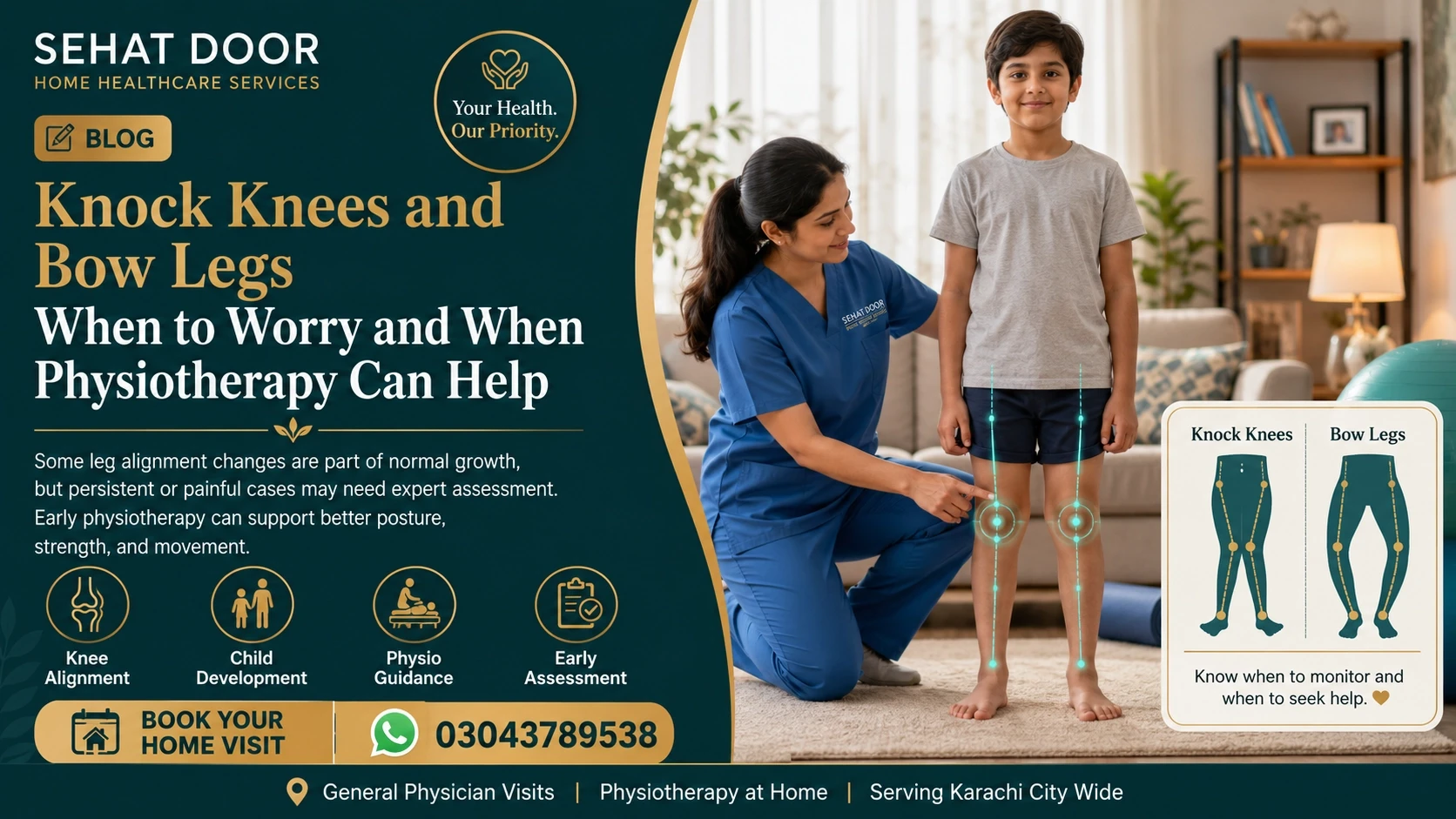
I hear the same story every day in Karachi. Parents sit across from me on a plastic chair, holding their phone, showing me a WhatsApp photo of their two-year-old standing barefoot on the drawing room floor, little legs curved outward like a bracket. "Doctor sahab, the legs seem to be bent - is it normal? My sister-in-law says her child didn't look like this." What follows is a half-hour conversation that should have happened months earlier - before the Google search spirals, before the random knee brace was ordered off Daraz, before a well-meaning relative insisted the child sleep with a rolled blanket between the knees.
It’s natural to feel anxious. Leg shape is visible. You observe it first thing in the morning as the child rushes to the bathroom, and again in the evening while they play cricket in the gali. But the problem is that most of what parents see in early childhood is simply normal developmental anatomy, and most of what they worry about privately - arthritis at age 30, surgery, permanent deformity - applies to a much smaller subset of children. The two groups need completely different responses. Reassurance and monitoring for one. Urgent assessment and potential surgical planning for the other. The error is applying the wrong response to the wrong child, and it happens constantly.
As a physiotherapist, I've seen both ends of the spectrum. Children brought in with perfectly normal developmental alignment whose parents had already spent thousands on corrective shoes. And teenagers with significant Genu Valgum and medial knee pain who had been told for five years that it would "sort itself out." Neither group was served well. This article is for both their families.
Quick Reference: What You Are Seeing and What to Do Next
What You're Seeing | Likely Category | What to Do Next |
Toddler with bow legs that look similar on both sides, currently learning to walk | Often physiological - a 2025 review in American Family Physician confirms that symmetrical genu varum in children under 2 is a normal developmental variant that typically self-corrects by 18–24 months | Monitor growth, document with monthly photos, raise at the next routine paediatric check-up; no DIY braces or wedge insoles |
Child aged 3–4 with mild knock knees, running and playing without pain | Common developmental genu valgum - according to StatPearls, physiologic genu valgum is most prominent between ages 3 and 4, then reduces to a stable slightly valgus position by around age 7 | Reassure, encourage physical activity, maintain healthy weight; consider a baseline physiotherapy screen if parents remain anxious |
Visible asymmetry - one leg more bowed or knocked than the other - or a worsening angle over 6–12 months | More concerning for pathologic alignment or an underlying growth-plate or metabolic issue | Book a paediatric physiotherapy assessment in Karachi promptly; do not wait another year "to see if it fixes itself" |
Knock knees or bow legs with pain, limping, or frequent falls in an older child, teen, or adult | Suggestive of abnormal joint loading and potential for progressive cartilage wear | Physiotherapy can help with strength, gait correction, and lower limb pain relief, but severe structural deformity may need orthopaedic input |
How Leg Alignment Normally Changes - and When It Does Not
From Bow Legs to Knock Knees and Back Toward Straight
Nearly all children are born with a certain amount of genu varum. Legs curve outward; the knees are farther apart than the ankles. This is not a defect - it reflects the position in the uterus and the mechanics of early weight-bearing. What matters is the timeline and the symmetry.
In most cases, physiological bow legs are largely corrected by around age 2. Then the pendulum swings the other way. Children between ages 3 and 4 often develop noticeable knock knees - knees touching, ankles apart - and this is where a second wave of parental panic sets in. Evidence published in StatPearls confirms that physiologic genu valgum reaches its peak around ages 3 to 4 and then progressively reduces to a stable, slightly valgus alignment by age 7. A small degree of valgus at the knee is, in fact, the normal adult alignment. It is not something to chase away with braces.
What parents need to understand is that a single photograph tells almost nothing. Timing, symmetry, and progression are everything. A snapshot of bent legs at 18 months looks dramatic and means next to nothing. The same photograph of a 6-year-old whose angle has worsened over the past two years means something entirely different.
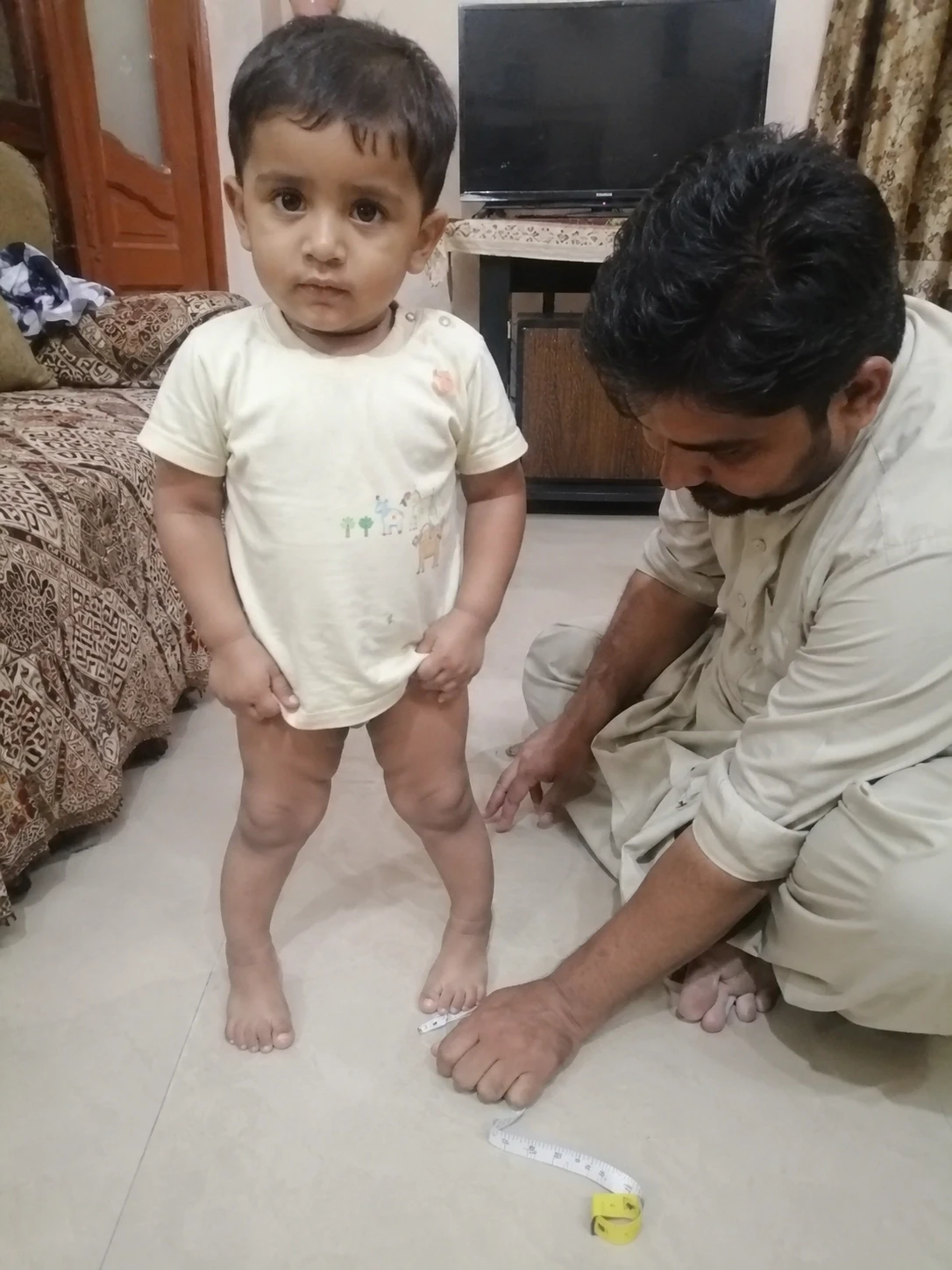
Red Flags: When the Curve Is Off
Not every bent leg is a growth variant. There are patterns that demand urgent attention, and missing them has real consequences.
The first and most important red flag is asymmetry. Physiological deformities are bilateral and roughly equal. If one knee angles significantly more than the other, it is very rarely “just the way they’re growing.” It points to a unilateral growth-plate problem - Blount’s disease, a previous fracture involving the physis, rickets presenting unevenly, or a skeletal dysplasia. The 2025 family medicine guideline update by Baird, Dickison, and Spires is explicit: genu varum that persists beyond age 2, or that is asymmetric, warrants paediatric orthopaedic referral. Waiting is not a conservative strategy; it is a missed window.
The second red flag is pain or limping in a child. I hear this dismissed repeatedly - "children don’t get knee pain, he just doesn't want to go to PT." A child who falls more than other kids, who avoids running, who stops mid-game to sit down, who complains of knee or shin pain after cricket in the narrow lane outside the apartment building - that child has a functional problem. It is not cosmetic. Short stature, delayed walking milestones, and a nutritional background suggestive of rickets (common in vitamin D-deficient environments like Karachi’s indoor-heavy winter lifestyle) all raise the index of suspicion further.
Adult Knock Knees and Bow Legs: Not Just Cosmetic
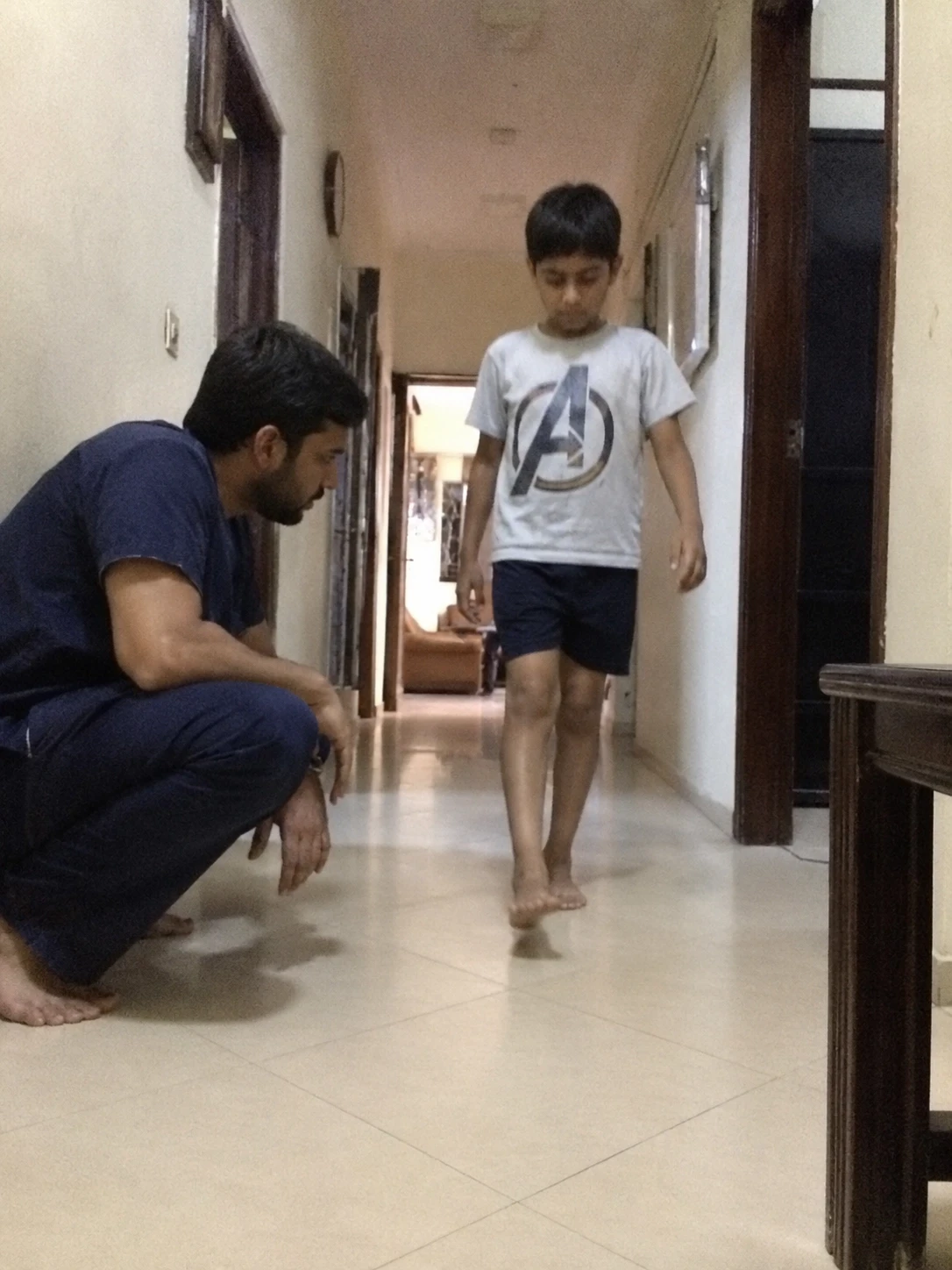
The adults who come to my clinic are a different but equally underserved population. Often, they were told as children that the leg shape would resolve. Some of it did. Some of it did not. Now they are in their late twenties or thirties, standing at a shop counter in Saddar all day, and the inside of the left knee aches by 2 PM every afternoon.
Malalignment doesn’t remain static. It shifts the mechanical axis of the lower limb - the line of force travelling from the hip through the knee down to the ankle - either medially or laterally. In genu varum, the mechanical axis passes medially, concentrating load on the inner compartment of the knee. In genu valgum, it shifts laterally, stressing the outer compartment and the lateral structures of the patellofemoral joint. This imbalance in loading over years results in accelerated cartilage wear in the overloaded compartment. The 2025 systematic review and meta-analysis published in Osteoarthritis and Cartilage identified knee malalignment among the biomechanical contributors to incident knee osteoarthritis across the lifespan, alongside obesity, joint injury, and mechanical factors driving rising rates of early-onset joint disease globally. The knee you ignore at 28 has a higher chance of becoming the knee you operate on at 45.
This is not fatalism. It is the clinical argument for early intervention, not late resignation.
What Physiotherapy Can Realistically Do - and What It Cannot
This is the part where I ask you to lower your expectations in one direction and raise them in another.
Physiotherapy cannot straighten a bone. If a child has severe genu varum from Blount’s disease, or a teenager’s mechanical axis is significantly deviated on long-leg standing X-ray, a hip-abductor strengthening protocol will not remodel bone. Guided growth surgery - specifically lateral tibial hemiepiphysiodesis using tension band plates - is the evidence-based intervention for that, and a 2025 cohort study from IRCCS Istituto Ortopedico Rizzoli in 31 paediatric patients confirmed that even this surgical approach requires careful patient selection and timing relative to skeletal maturity. When orthopaedics is needed, it is needed. Physiotherapy is not a substitute.
What physiotherapy can do - and does well - is address everything around the bone that still responds to training. In children with mild or postural alignment issues, the hip abductors, external rotators, and quadriceps muscle groups often show weakness and poor motor control that worsen the functional appearance of the deformity. Strengthening these muscles reduces dynamic valgus stress through the knee joint and improves how the leg behaves during walking, running, and sport. For adults, targeted hip-knee-ankle strengthening combined with gait retraining has solid evidence for reducing knee pain and improving function, even where structural malalignment is unchanged. The goal is not to “fix the shape.” The goal is to protect the joint that lives inside that shape.
A typical home physiotherapy session through Sehat Door for this presentation involves a full lower limb biomechanical assessment, a graded strength and proprioception programme scaled to the patient’s age and ability, gait observation and correction, and a home exercise plan that fits into the daily routine - not a gym you cannot afford or equipment you do not own.
Karachi Reality: Floors, Chappals, Cricket, and Stairs
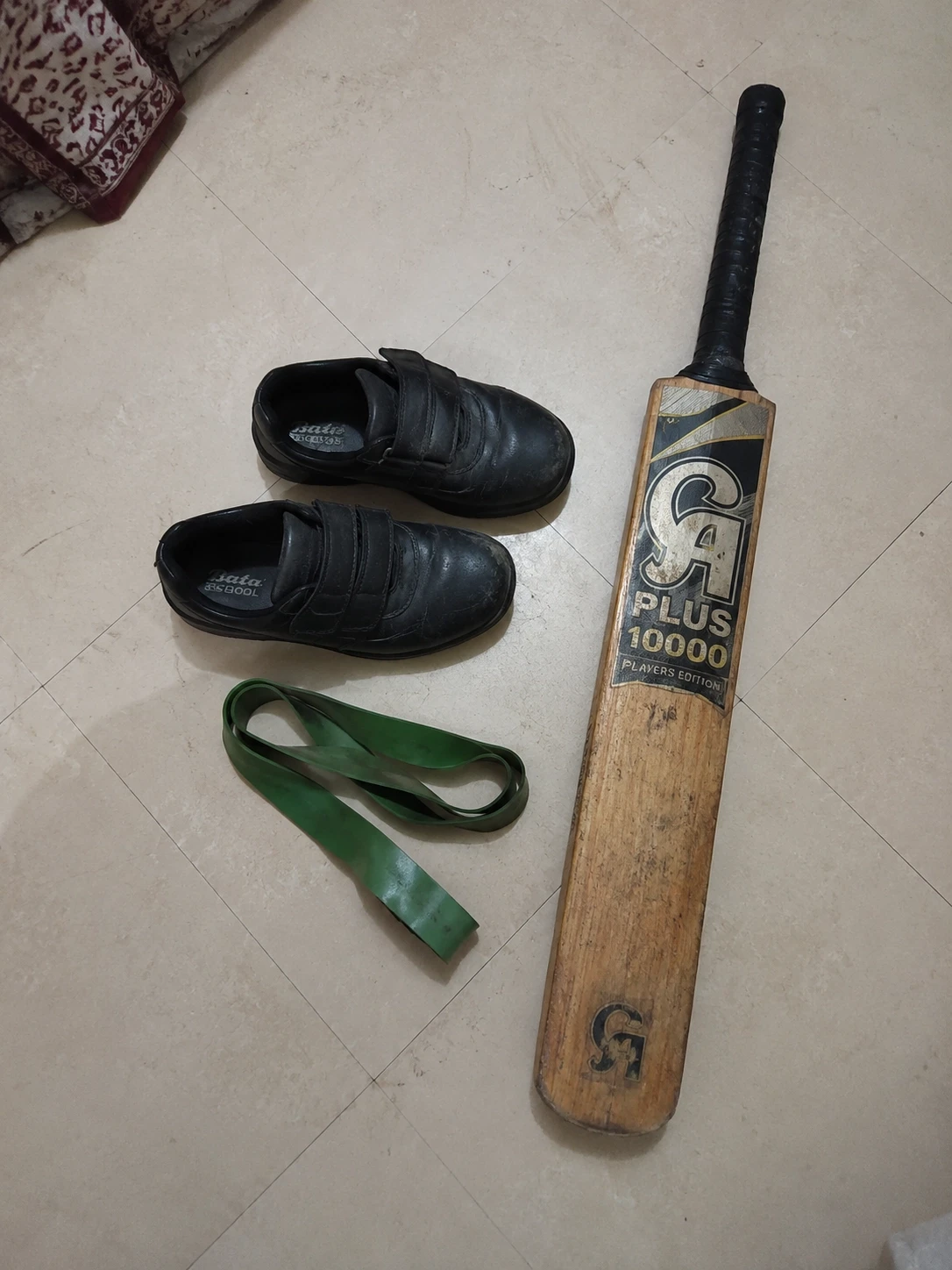
Karachi is not a physiotherapy textbook. The child with knock knees is not walking barefoot on a clinical mat - she is chasing a ball on uneven concrete in the afternoon, wearing worn-out school shoes that have collapsed at the heel, then spending the evening sitting cross-legged on a hard tile floor doing homework. The teenager with genu varum is climbing four flights of stairs to the flat twice a day and wearing chappals at home that offer no arch support whatsoever.
None of these factors cause the underlying structural deformity. Bone alignment is determined by growth and genetics, not footwear. But they absolutely influence how symptomatic that alignment becomes. Collapsed shoe heels increase tibial internal rotation under load. Hard tile floors increase impact loading at the knee. Extended cross-legged sitting places sustained rotational stress on already-stressed medial knee structures. These are modifiable factors - and modifying them is something home-based physiotherapy in Karachi can address in the actual environment where the patient lives, not in a clinic 40 minutes away that the family can only afford once a month.
Weight is also a conversation that needs to be had clearly. A 2025 review confirmed that high BMI in children significantly amplifies the functional severity of genu valgum by increasing valgus stress through the knee under load. This is not a criticism of families. It means that reducing load on a structurally stressed joint is a legitimate therapeutic goal, and that nutritional and activity-based guidance is part of the physiotherapy conversation - not a separate referral.
The Home Treatment Mistakes That Make Things Worse
Buying random "corrective" shoes or knee braces off Daraz or Instagram without a single clinical examination, X-ray, or orthopaedic review. These products are designed and marketed for a range of indications; without a diagnosis, you are guessing. A brace that produces a valgus force on a varus knee sounds logical; applied to the wrong deformity, wrong age, or wrong severity, it can cause growth-plate stress.
Forcing children into intense, painful passive stretches or making them sleep in positions that “push the legs straight” - a practice I hear about regularly in Karachi families. Bones in the physiological range do not respond to sustained pressure by remodelling in the desired direction. This causes distress, disrupts sleep, and sometimes creates soft tissue problems around the joint.
Ignoring persistent pain, limping, or one-sided asymmetry for years because an earlier doctor - at a time when the child was younger and the deformity was genuinely within normal range - said it would self-correct. Circumstances change. Children grow. What was reassuringly normal at age 2 may be pathological at age 8. Re-evaluation is necessary if anything changes.
Focusing entirely on cosmetic appearance and losing track of function. Nobody asks whether the child is now avoiding sports, whether they get tired more quickly during PE, whether they fall more often than classmates. The hip muscles that govern knee alignment during dynamic activities - the same muscles discussed in the context of hip weakness and prolonged sitting - can weaken significantly when a child avoids activity due to discomfort. That weakness then compounds the problem.
Treating every leg shape as an emergency. Panic leads to over-investigation, unnecessary interventions, and significant family stress. Get one good baseline assessment. Know what the current angle is, on what date, assessed by whom. That is your reference point. Everything else is monitoring.
Rapid-Fire Clinical FAQs
At what age are bow legs or knock knees still considered normal?
Symmetrical bow legs are physiological up to around age 2; mild knock knees are expected between ages 3 and 7 and typically self-correct. Any concern about severity, progression, or asymmetry warrants a paediatric or orthopaedic assessment regardless of age.
Can physiotherapy actually straighten my child’s knock knees or bow legs?
Physiotherapy can meaningfully improve strength, neuromuscular control, gait pattern, and pain - and in mild or postural cases, it can reduce the functional severity of the deformity. Significant structural malalignment affecting the mechanical axis of the limb requires an orthopaedic opinion; exercises alone will not remodel bone.
When should I take my child to a specialist for knock knees or bow legs?
Immediately if there is limping, pain, frequent falls, obvious asymmetry between the two legs, or worsening of the angle over 6 to 12 months. Also if bow legs persist beyond age 2 or knock knees do not begin to reduce after age 7 to 8.
Can untreated knock knees or bow legs cause arthritis later in life?
Malalignment shifts the mechanical load onto one compartment of the knee joint, which accelerates cartilage wear over years. This risk is amplified by higher body weight and high-impact physical activity without adequate strength support. Early physiotherapy to optimise load distribution is joint-protective, not optional.
Is it safe for my child with knock knees or bow legs to play sports like cricket or football?
For the majority of children with mild or developmental alignment, sport is safe and beneficial. Pain, repeated knee injuries, or rapid worsening of alignment during a growth phase are signals to get a formal assessment before continuing high-impact activity.
Do special shoes or insoles fix knock knees or bow legs?
Footwear and insoles can improve comfort and reduce symptoms in some cases, but they do not correct structural bone alignment. Decisions about orthotics should follow a proper clinical assessment - not a shoe shop’s recommendation or an online quiz.
What does a physiotherapy session for knock knees or bow legs actually look like at home?
A Karachi physiotherapy at home session for this presentation starts with a standing and walking assessment to observe alignment and movement patterns, followed by targeted hip, knee, and ankle strengthening, balance and proprioception exercises, gait correction, and a structured home exercise programme - all delivered in your own space, without the commute.
The child whose bow legs or knock knees go unassessed for years is not just a cosmetic concern waiting to resolve itself. It is a child whose joint loading pattern is operating outside safe parameters during the years when the skeleton is most plastic and most receptive to intervention. By the time that child is an adult sitting in a physiotherapy clinic with a deep ache inside the left knee that flares every time they climb stairs, the window for guided growth has closed, the cartilage has already seen years of uneven wear, and the management options are considerably harder. That is the conversation nobody wants to have at 35.
DISCLAIMER: This article is for preventative educational purposes only and does not constitute individual medical advice. If your child has persistent pain, obvious asymmetry, or worsening leg alignment, seek assessment from a qualified paediatric physiotherapist or orthopaedic specialist.
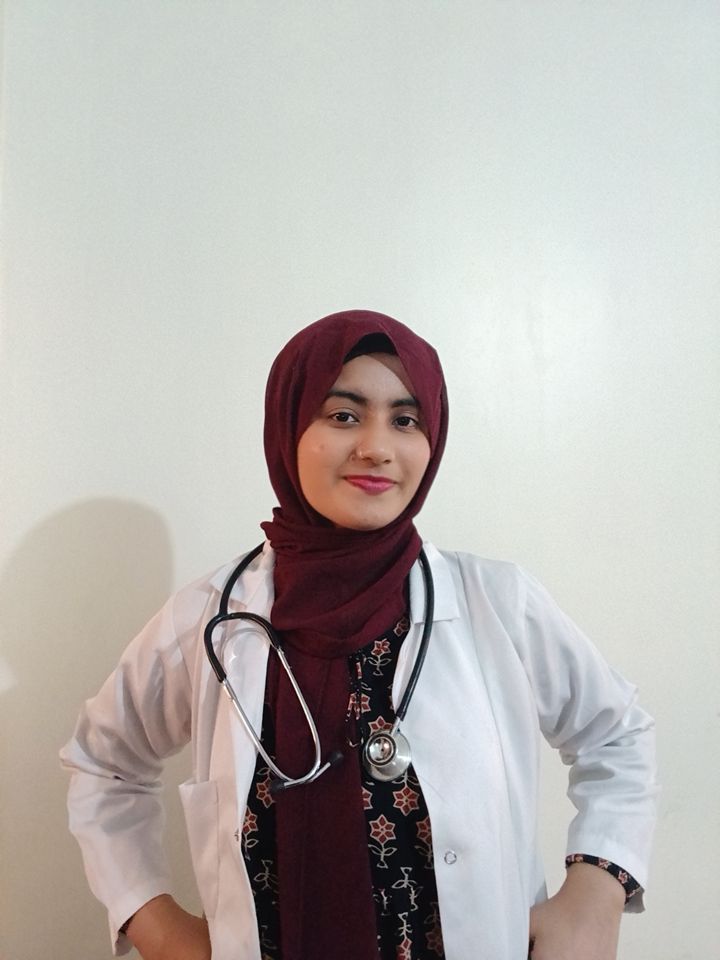
Dr. Aleena PT
A Physiotherapy Doctor (DPT) from Jinnah Sindh Medical University, focused on musculoskeletal rehabilitation, evidence-based patient care, pain management, mobility improvement, and recovery support.