High Blood Pressure in Your 30s: Home Monitoring Checklist for Busy Professionals
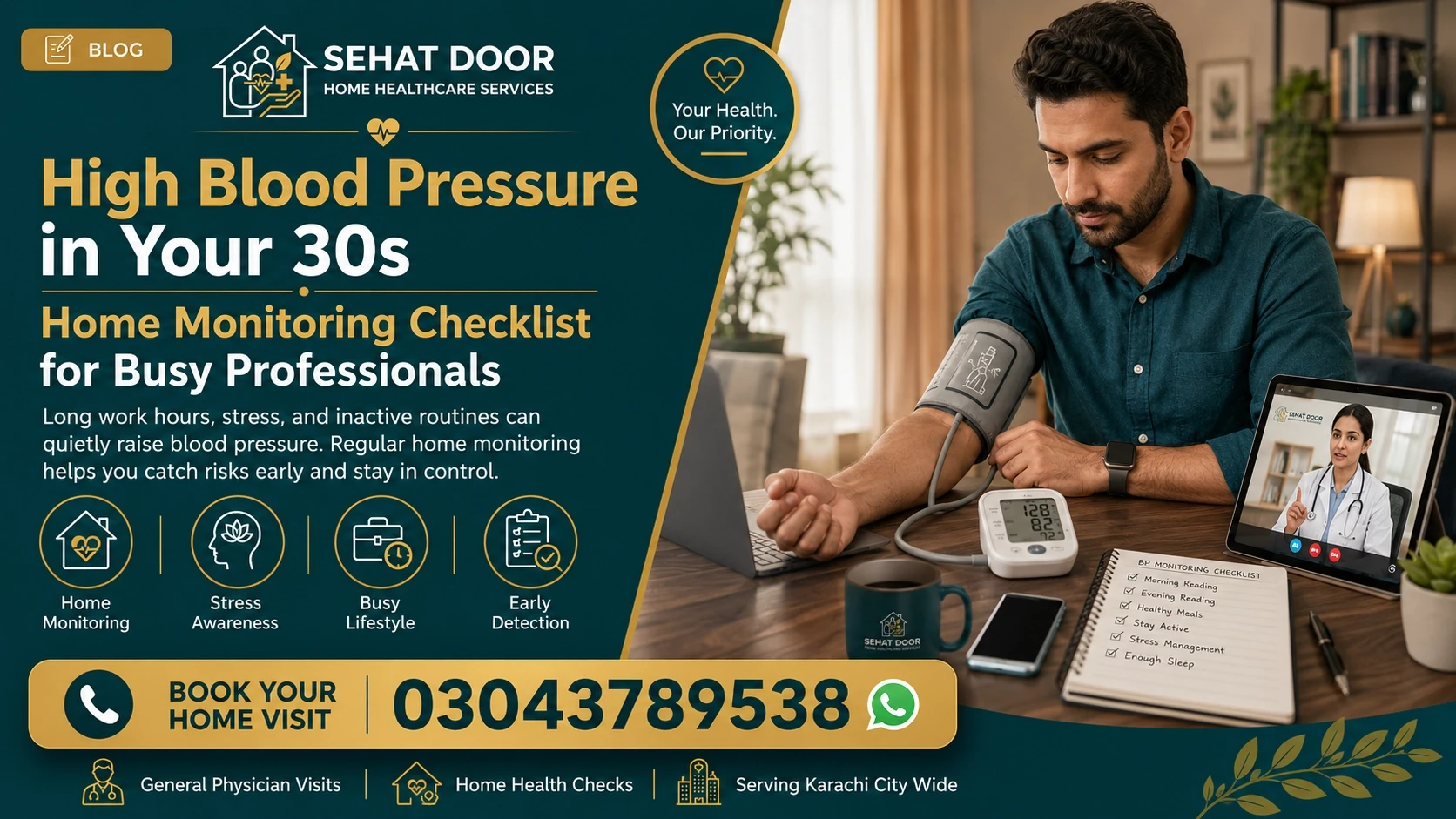
You are 34 years old. You work a desk job in Defence or Clifton, you commute through Karachi traffic for ninety minutes each way, you eat dinner at 10 pm, and you sleep badly. Last week you borrowed a relative’s blood pressure cuff out of curiosity - and the reading came back 148/94. Your first instinct was to take it again. Then a third time. Now the number is stuck in your head. This is exactly how hypertension announces itself in your 30s: not with a dramatic collapse, but with a quiet, unsettling number on a screen.
The uncomfortable reality is that high blood pressure in early adulthood is no longer unusual. Global data published in August 2025 shows hypertension affecting 18.4% of men and 12.6% of women aged 30–39. A July 2025 study in the American Journal of Hypertension found that 1 in 5 young adults had hypertension, with awareness and control declining since 2013. Pakistan is not an outlier. A 2025 community-based study conducted in Pakistani cities found undiagnosed hypertension among young adults was a growing public health concern, with desk work, poor sleep, and high salt intake strongly associated. Most of those people felt completely fine.
Before you catastrophise: one reading means almost nothing. The 2025 AHA/ACC Hypertension Guideline - the most comprehensive clinical update in nearly a decade - now formally elevates home blood pressure monitoring (HBPM) as the diagnostic gold standard, ahead of single clinic readings. What matters is a pattern taken correctly, over multiple days, at consistent times. That is what this guide is built around.
Your Quick Home Monitoring Checklist
What You Do at Home | Why It Matters | What To Watch For |
Sit quietly for 5 minutes before measuring | Rest reduces false elevation from movement, stress, and talking. | If your reading is still high after proper rest, repeat later and log it. |
Use a validated upper-arm cuff in the right size | Cuff size and device quality affect accuracy; wrist and finger devices are less reliable. | A wrong cuff can falsely over- or under-read your blood pressure. |
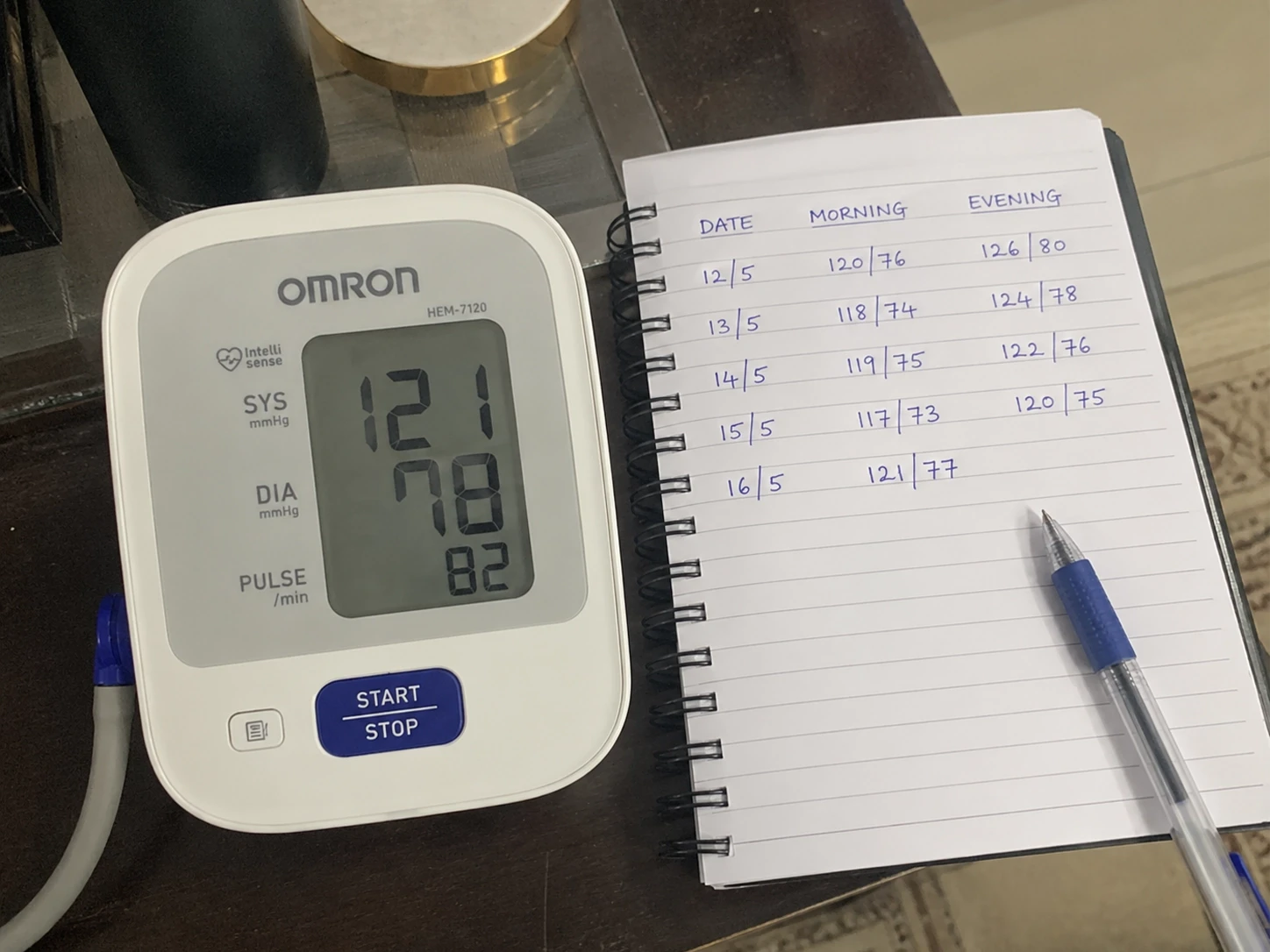
Take 2 readings, 1 minute apart, morning and evening for 5–7 days | Multiple readings give a much more reliable picture than one random measurement. | A consistent average matters more than one “bad” reading. |
Keep back supported, feet flat, legs uncrossed, arm at heart level | Position changes can meaningfully alter the result. | Bad posture creates misleading numbers and unnecessary panic. |
Log all readings and bring them to your doctor | A log helps identify white-coat hypertension, masked hypertension, and true sustained hypertension. | If readings repeatedly run high, don’t wait months to act. |
How to Monitor Blood Pressure at Home Properly
Why High Blood Pressure in Your 30s Often Feels Like Nothing
There is a reason hypertension has been called the silent killer for decades. The vast majority of people with elevated blood pressure - including those well into Stage 2 - report no symptoms at all. You might have a tension headache some evenings, feel a low buzz of fatigue by mid-afternoon, or notice neck tightness after a brutal week. These are real. But they are not reliable indicators of your blood pressure. Plenty of people with perfectly normal readings have the same complaints. Plenty of people at 150/100 feel nothing.
What hypertension does silently is damage blood vessel walls over time - a process clinicians call target organ damage. The heart, kidneys, brain, and eyes are the primary targets. In your 30s, this damage is early and largely reversible with treatment. By your 50s, if it has gone unaddressed, you are looking at left ventricular hypertrophy, early kidney disease, or meaningfully increased stroke risk. The 2025 AHA/ACC guidelines specifically emphasise that early-onset hypertension - before the age of 40 - carries higher long-term cardiovascular risk and warrants prompt evaluation.
A Frontiers in Cardiovascular Medicine analysis from October 2025 noted that standard cardiovascular risk tools are not reliably accurate for adults aged 30–39 - the SCORE-2 system underestimates risk in this age group. Your actual home readings, tracked consistently, are more informative than any population-level formula your doctor might apply.
The Only Home Reading Method That Actually Counts
You come home after a two-hour commute, slightly irritated, still wired from your third cup of chai. You take your blood pressure immediately. It reads 152/96. You panic.
That reading is almost certainly meaningless.
Here is the correct protocol, consistent with AAFP clinical guidance and the 2025 AHA/ACC monitoring recommendations:
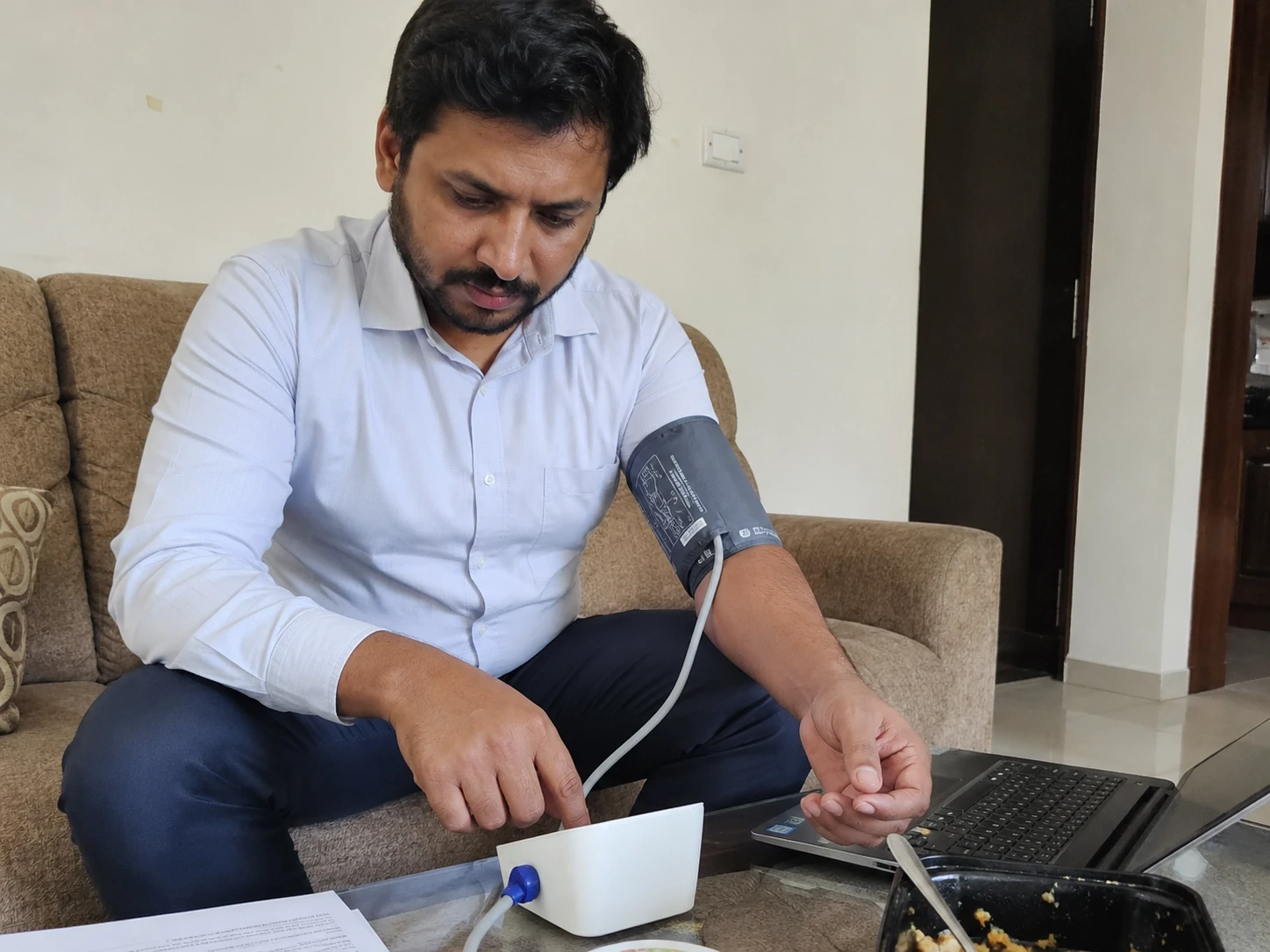
Sit quietly for five minutes before measuring. Not scrolling. Not talking. Seated, still.
Empty your bladder first - a full bladder raises systolic readings by several mmHg.
No caffeine, exercise, or smoking for at least 30 minutes beforehand.
Sit with your back fully supported, feet flat on the floor, legs uncrossed.
Rest your upper arm on a surface at heart level.
Use a validated upper-arm cuff in the correct size. Not a wrist device. Not a smartwatch.
Take two readings exactly one minute apart. Record both.
Repeat morning and evening for five to seven days.
The AAFP recommends a minimum of three days of readings, with seven days being the clinical ideal. Some guidelines suggest discarding the first day’s readings, which tend to run higher due to the novelty of the process. The average of what remains is your number - not the outlier you recorded at 11 pm after a stressful deadline.
How to Read the Numbers Without Panicking
Blood pressure is expressed as two numbers. The top number - systolic - is the pressure your arteries experience when your heart contracts. The bottom number - diastolic - is the pressure between beats. Both matter. Neither alone tells the full story.
Per the 2025 AHA/ACC Guideline, here is how adult blood pressure is classified:
Normal: Systolic below 120 and diastolic below 80
Elevated: Systolic 120–129 with diastolic below 80
Stage 1 Hypertension: Systolic 130–139 or diastolic 80–89
Stage 2 Hypertension: Systolic 140 or above or diastolic 90 or above
Hypertensive Emergency: Systolic above 180 and/or diastolic above 120, with symptoms such as chest pain, severe headache, visual changes, or confusion
If your home average consistently falls in Stage 1 territory - say, 132/84 - that is a signal to see a doctor, not a crisis. If readings regularly run above 140/90, that is Stage 2 and warrants prompt medical attention.
If you ever see above 180/120 alongside chest pain, a severe headache, vision changes, or any neurological symptom like weakness or confusion, do not sit and re-measure. That is a hypertensive emergency. Go to an emergency department immediately.
Why Your Lifestyle Is Skewing the Reading
Most people measure at exactly the wrong moment. Right after climbing stairs. During a lunch break, wrist cuff on, slouching in a chair that barely supports the back. Immediately after a difficult call. The reading spikes. They assume the worst. The problem usually is not the blood pressure - it is the measurement.
Two phenomena explain much of the confusion. White-coat hypertension is when blood pressure is consistently elevated in clinical or formal settings but normal the rest of the time - a genuine physiological response to measurement anxiety. Masked hypertension is the more dangerous opposite: readings appear normal in clinic but run high at home, during work hours, or at night. A single clinic reading can actively miss this in a significant proportion of patients.
Stress, disrupted sleep, and high sodium intake are the three lifestyle factors most directly linked to raised BP in Karachi’s professional demographic. If you are eating a full meal at 10 pm, scrolling until midnight, and sitting at a desk for eight hours without movement, your cardiovascular system will reflect that. SehatDoor's guide on how 8-hour desk jobs are spiking cholesterol in Karachi professionals explains the cardiovascular consequences of sedentary work in detail. Similarly, the relationship between screen time and sleep disruption compounds vascular risk in ways that a single BP reading cannot fully capture.
When Home Monitoring Is Not Enough
Home monitoring is a tool for early detection and pattern recognition. It is not a treatment. It is not a substitute for clinical assessment.
If your home average consistently reads 130/80 or above over five to seven days, book an appointment - not next month, this week. If readings regularly land at 140/90 or above, that warrants attention today. Stage 2 hypertension at 35 carries long-term risk that lifestyle changes alone may not reliably address; clinical evaluation is needed to determine whether medication is appropriate.
Specific symptoms require immediate action regardless of your reading:
Chest pain or tightness, especially at rest
Shortness of breath without exertion
A severe headache that feels different from your usual - sudden onset, at the back of the head, or accompanied by visual disturbance
Blurred vision, double vision, or flashing lights
Weakness, numbness, or sudden confusion
A home reading above 180/120 mmHg - even without obvious symptoms
A reading above 180/120 alongside any of the above is a hypertensive emergency. Get to an emergency department. Do not wait to see if it settles. Do not self-medicate.
For Karachi professionals who cannot spend three hours in a clinic waiting room, Sehat Door's doctor at home service offers scheduled home visits for blood pressure assessment, initial evaluation, and follow-up. A home blood pressure check in Karachi with a qualified physician takes less time than you expect, and it means you get clinical interpretation - not just a number on a screen.
What Busy People Get Wrong
Measuring right after climbing stairs, commuting, or an argument. Your cardiovascular system needs time to settle - five minutes minimum, seated and still.
Using a wrist or finger device for convenience. The 2025 AHA/ACC guideline explicitly states that reliance on cuffless devices - including smartwatches - should be avoided for accurate blood pressure measurement until these devices demonstrate greater precision. Use a validated upper-arm cuff.
Taking one reading and treating it as the final verdict. One number tells you almost nothing on its own.
Sitting with legs crossed, slouching, or holding the cuff below heart level. Arm position alone can shift a reading by 5–10 mmHg.
Ignoring repeated high readings because “I feel fine.” Hypertension does not produce symptoms in most people. That is precisely what makes it dangerous.
Stopping prescribed BP medication after a run of good readings. Any changes to medication must come from your doctor. Home readings that improve on medication are a sign the medication is working - not permission to stop.
Rapid-Fire Clinical FAQs
How many days should I monitor blood pressure at home before I trust the average?
A minimum of three days, with five to seven days being the clinical ideal per AAFP guidance. Discard the first day’s readings if they trend high. Bring the full written log to your doctor.
What numbers count as high blood pressure at home?
Per the 2025 AHA/ACC guidelines, a confirmed home average of 130/80 mmHg or above, taken over multiple days using correct technique, meets the clinical threshold for hypertension. See a doctor to contextualise the finding.
Can stress or coffee cause a one-time high reading?
Yes. Both acutely raise systolic pressure. A single reading taken under stress or after caffeine is not clinically meaningful on its own. Follow the correct protocol: no caffeine for 30 minutes, five minutes of seated rest, correct posture.
Should I worry if my blood pressure is only high at home, not in the clinic - or the other way around?
Both patterns are clinically significant. High only in formal settings is white-coat hypertension; high only at home is masked hypertension. Either warrants evaluation. Do not assume the clinic reading is the accurate one. A doctor consultation at home can help clarify which pattern applies to you.
What is the difference between hypertensive urgency and hypertensive emergency?
Hypertensive urgency is severely elevated BP - above 180/120 mmHg - without evidence of acute organ damage. It requires prompt medical evaluation and medication adjustment, but not necessarily an emergency room. Hypertensive emergency is the same BP range accompanied by active organ damage: chest pain, neurological symptoms, vision changes, or deteriorating kidney function. This requires immediate emergency care.
Can I use a smartwatch or wrist device to check my BP?
Not for diagnostic purposes. The 2025 AHA/ACC guideline explicitly advises against relying on cuffless devices, including smartwatches, until they demonstrate greater precision and reliability. Use a validated upper-arm cuff.
How do I track blood pressure if I travel or work long shifts?
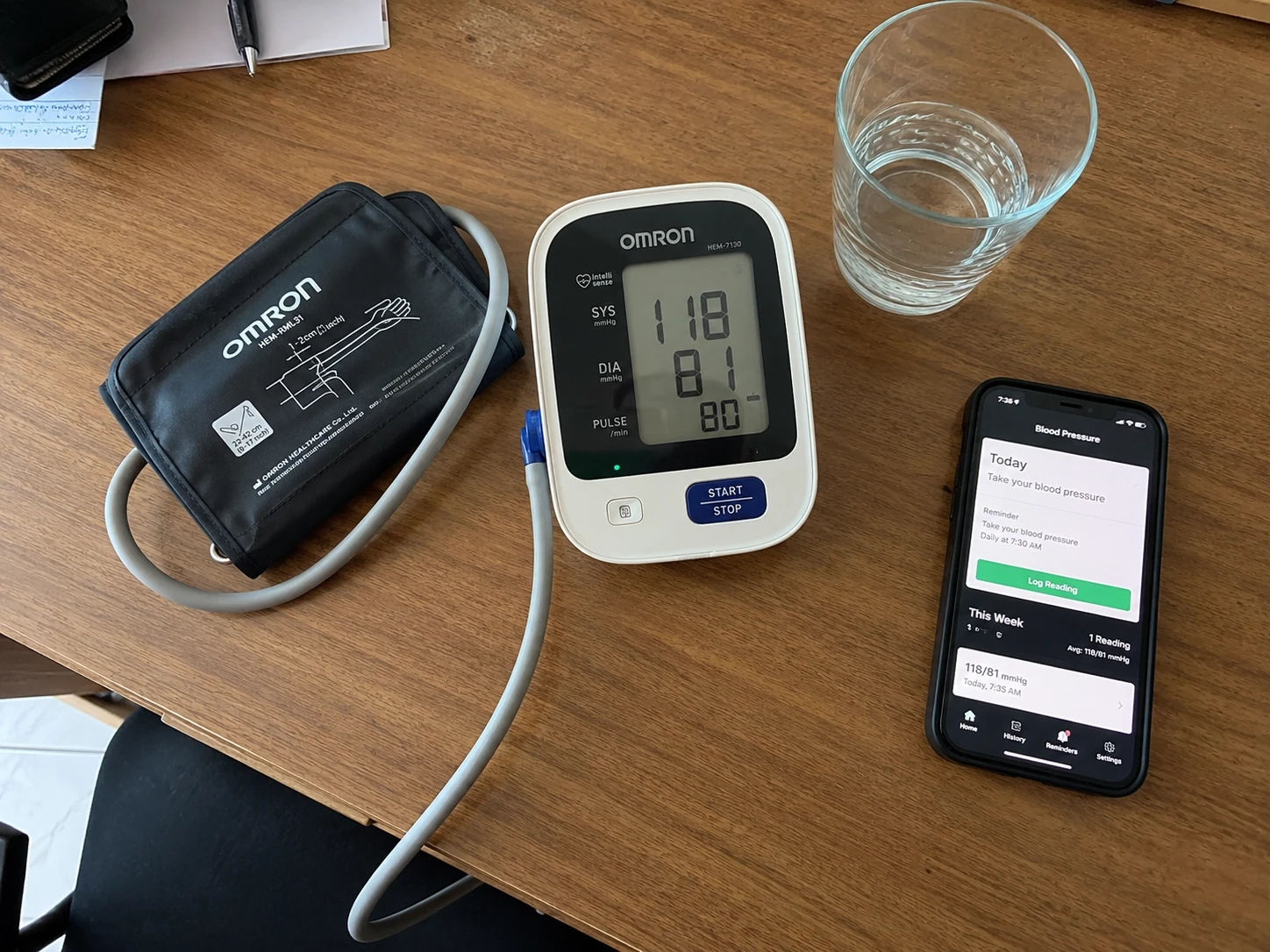
Keep a small notebook or use a BP logging app. Take readings at consistent times - ideally within one hour of waking and before sleep. If you are crossing time zones, maintain relative rather than clock timing.
Hypertension does not feel like anything for most people. No chest pain. No dizziness. No warning. It quietly stiffens arterial walls, thickens the heart muscle, strains the kidneys, and narrows the vessels feeding the back of your eyes - sometimes for years before anything surfaces. By the time it announces itself with a stroke or a cardiac event at 48, the damage took fifteen years to accumulate.
You are in your 30s. You have the numbers in front of you. That is the only warning you are going to get.
DISCLAIMER: This article is for preventative educational purposes only and does not constitute individual medical advice. If you are experiencing any of the red-flag symptoms described above, seek immediate medical attention.
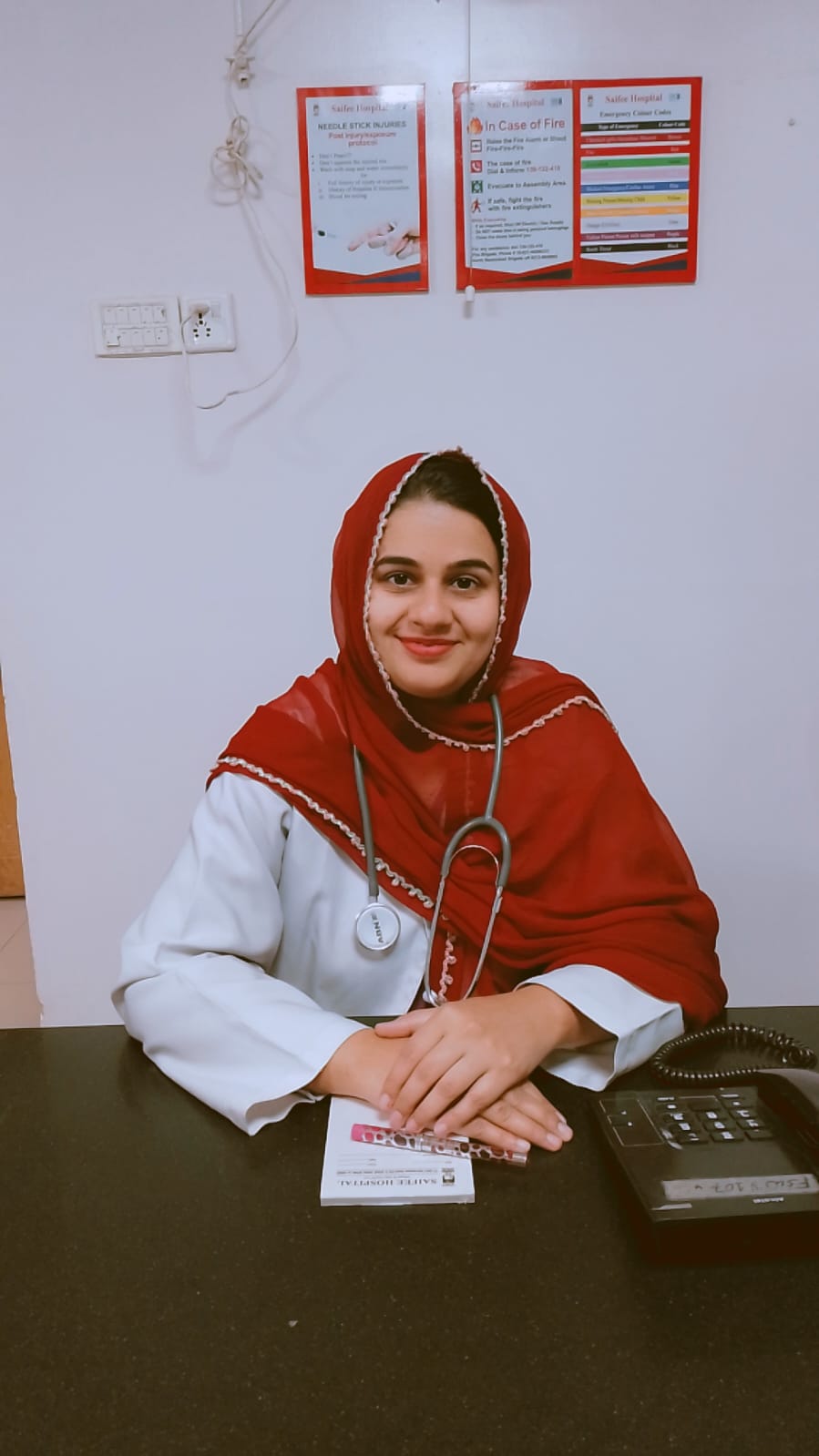
Dr. Munazza
A General Physician (MBBS) with 5+ years of experience, currently working as an RMO at Saifee Hospital, focused on diagnosing, treating, and managing common health conditions.