PCOS, Weight Gain, and Acne: A Practical Guide for Young Women in Karachi
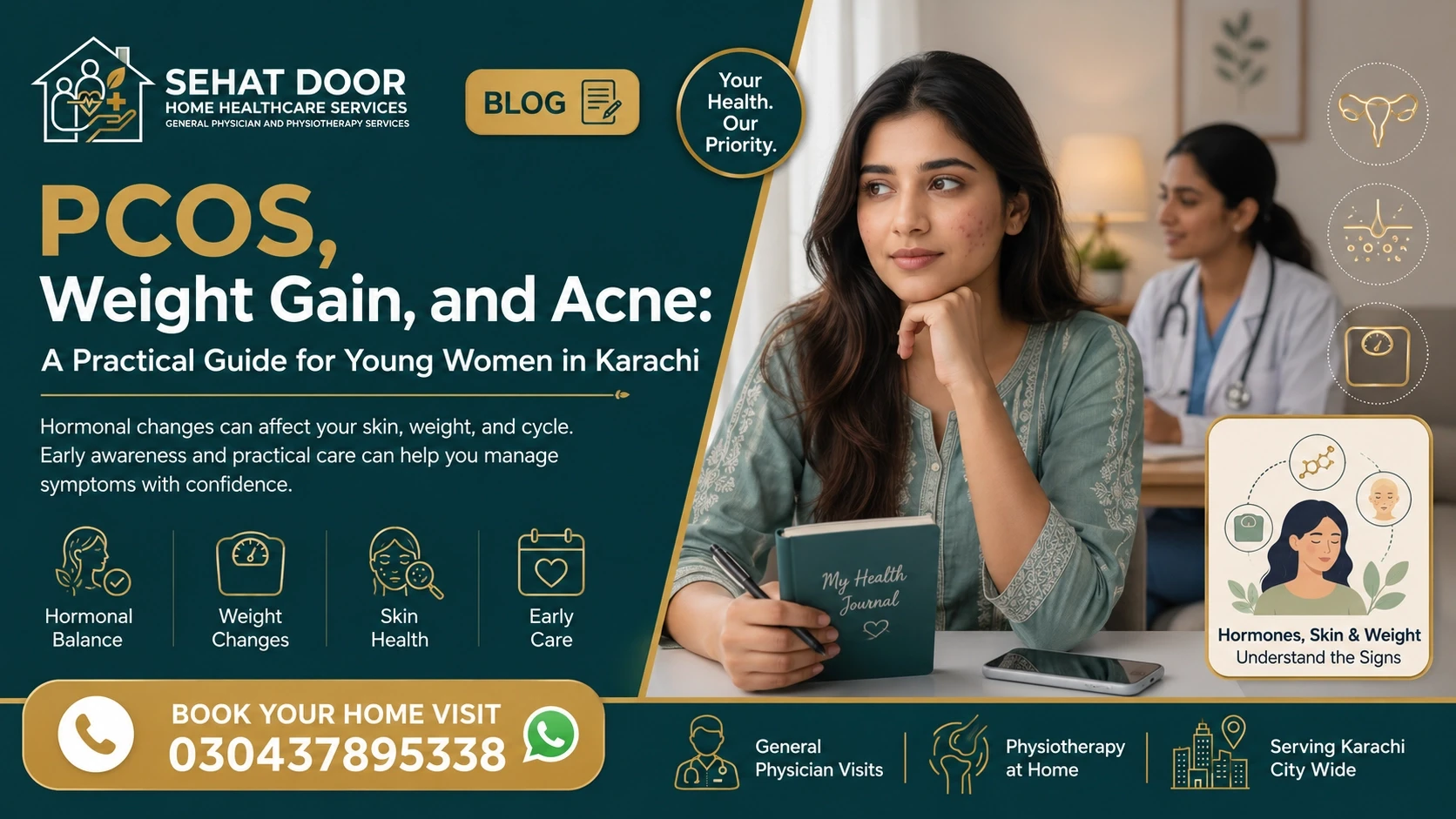
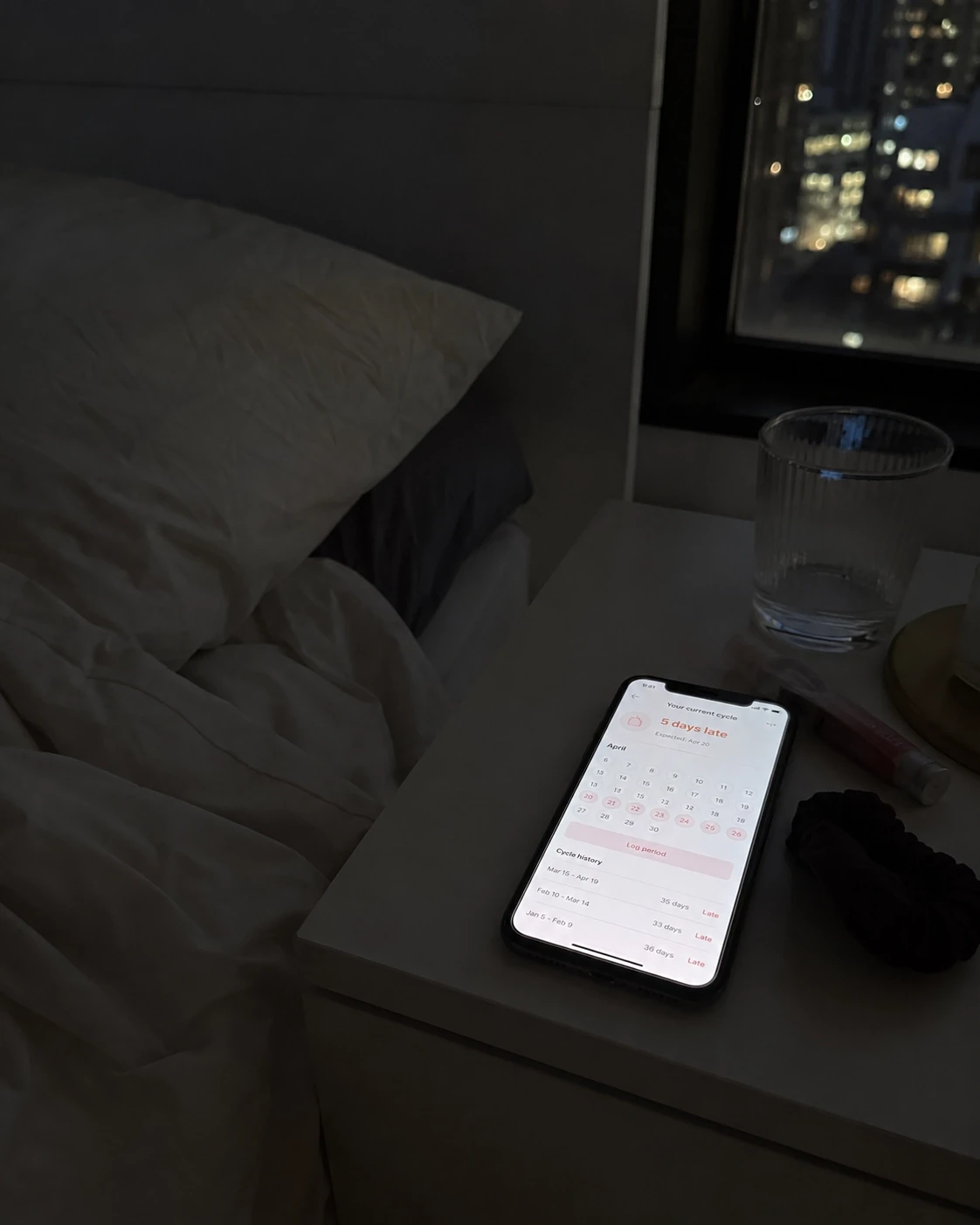
Something shifted in your body over the last year and you cannot explain it. The face in the mirror - jawline thick with cysts, cheeks oily by noon - does not match the girl who never had a single breakout two summers ago. Your jeans stopped fitting even though you have been skipping lunch. Your period showed up four months late, and when you finally googled "irregular periods weight gain acne," a hundred PCOS reels hit your screen within seconds. Here is what those reels did not tell you.
According to the World Health Organization's PCOS fact sheet, polycystic ovary syndrome affects between 8 and 13% of reproductive-age women globally - making it one of the most common endocrine disorders in women of childbearing age. More alarming: up to 70% of women living with PCOS have never been formally diagnosed. They are managing skin, weight, and cycle irregularities with whatever the internet recommends, while underlying hormonal damage quietly compounds.
PCOS is not a cosmetic problem, a stress reaction, or a consequence of eating too many carbs. It is a chronic endocrine disorder with documented cardiometabolic consequences - insulin resistance, androgen excess, chronic inflammation - that begin silently in a woman’s twenties and, if unaddressed, reshape her metabolic and reproductive health well into her thirties and forties.
I am a Karachi-based general physician with 6+ years of clinical practice. I see this pattern every single week: young women - students, IT professionals, corporate workers - dismissed with “baji, thoda exercise karein, stress mat lein” while their endocrine system quietly runs off course. That dismissal has consequences. Real, measurable ones.
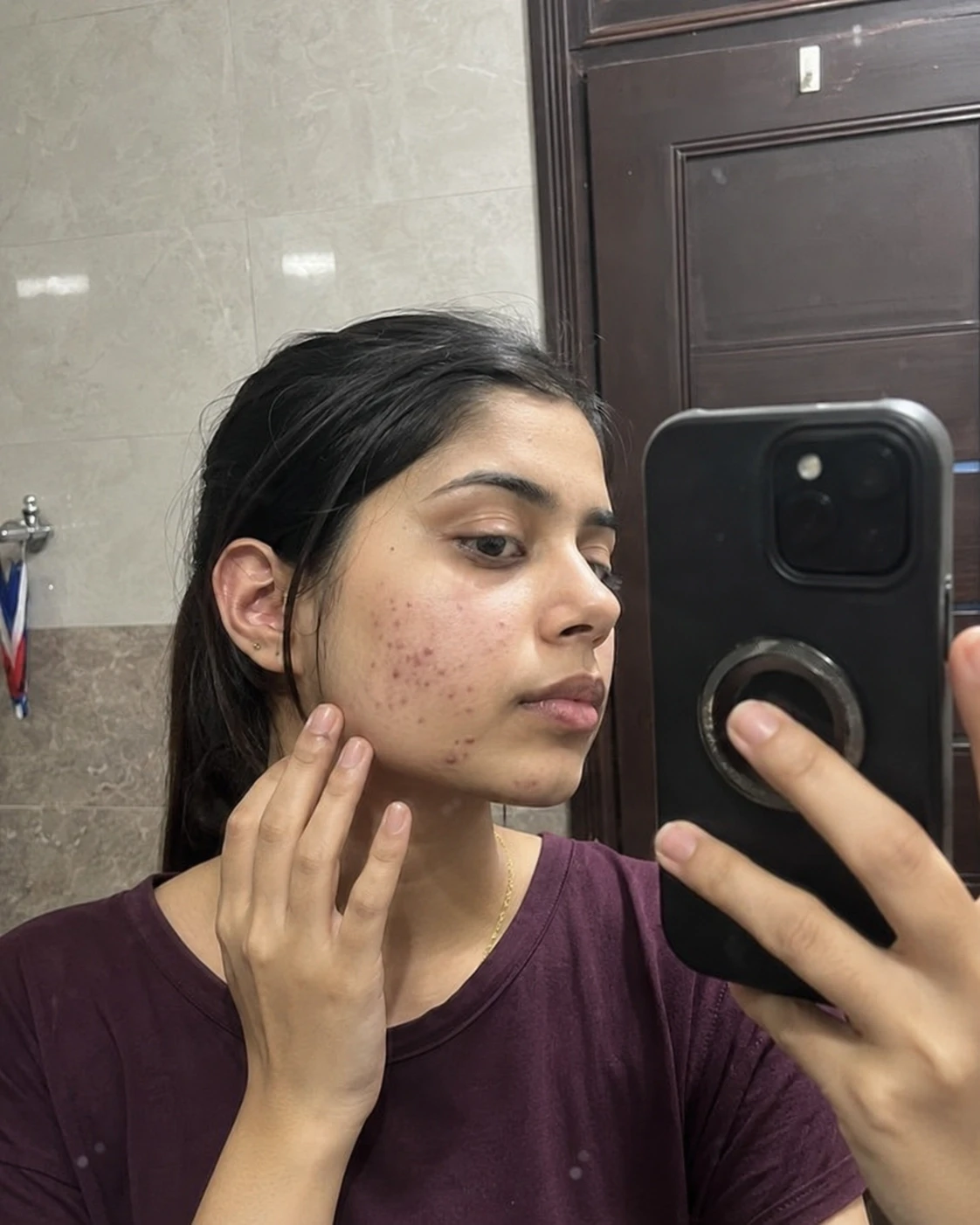
Quick Reality Check: What That Habit Is Actually Doing
The Habit or Symptom | The Hormonal Reality | The Clinical Consequence |
Skipping meals all day, then overeating at night | Erratic eating patterns trigger irregular insulin spikes. Research links meal-timing disruptions to significantly worsened insulin resistance in women with PCOS, raising fasting insulin and driving androgen overproduction in the ovaries. | More central fat accumulation, worsening androgen excess, accelerated progression toward prediabetes, and more severe hormonal acne. |
Treating cystic acne as "just a skin issue" | Acne severity in young women correlates strongly with hyperandrogenism and glucose metabolism disorders. A woman spending thousands on dermatology while her testosterone and fasting insulin go untested is addressing the smoke, not the fire. | Delayed PCOS diagnosis, progressive scarring, and a missed window for early metabolic intervention that could change long-term outcomes. |
Ignoring irregular periods for years | The WHO estimates up to 70% of women with PCOS remain undiagnosed. Anovulatory cycles are not “just stress” - they signal ovarian dysfunction carrying documented risk of endometrial pathology, infertility, and metabolic disease if unmonitored. | Elevated risk of infertility, endometrial hyperplasia, type 2 diabetes, dyslipidemia, and cardiovascular disease over time. |
The Anatomy of a Hormonal Storm
Insulin Resistance and Weight That Won't Budge
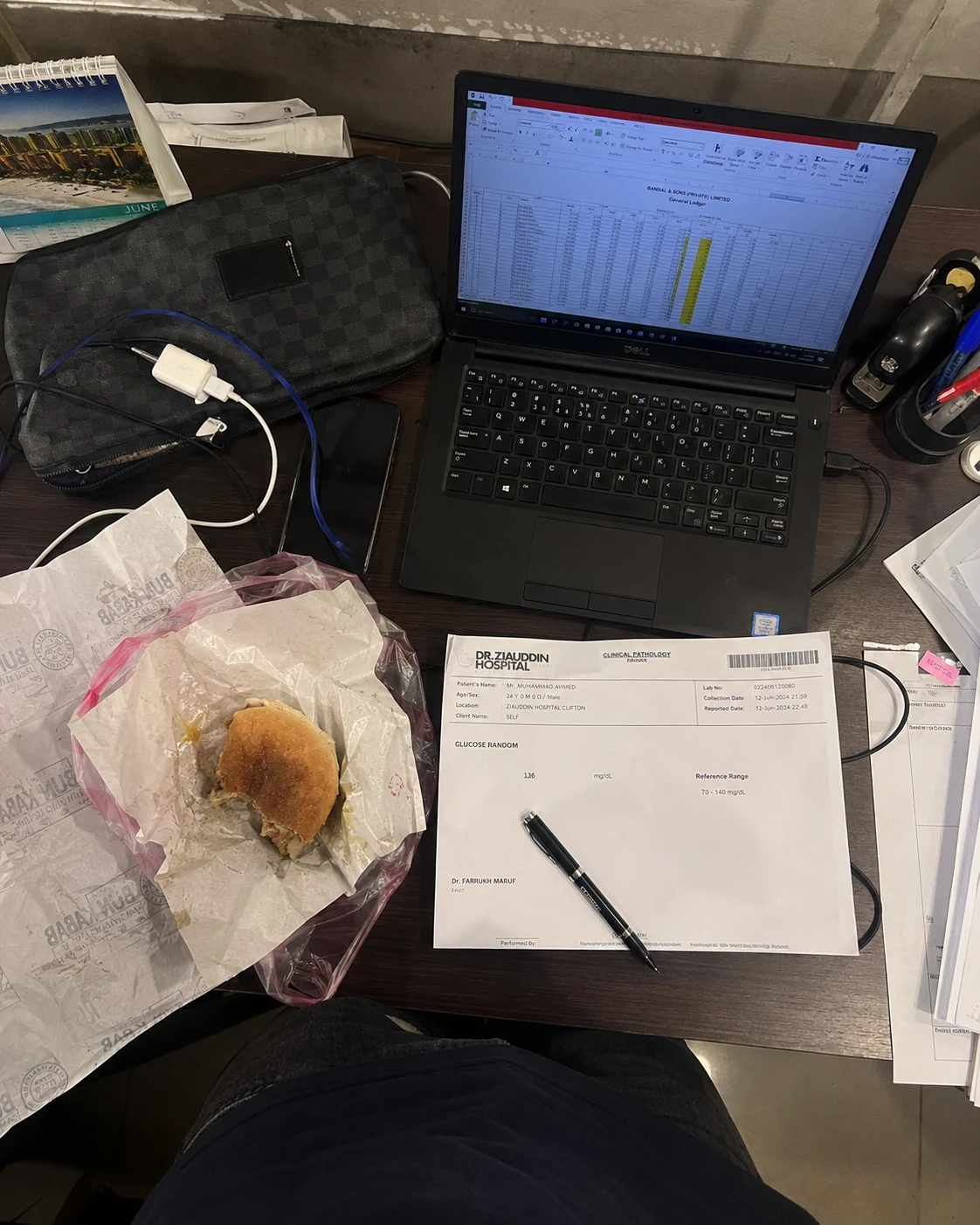
Your meal is rather small. By 3 PM you are dizzy. You take a biscuit or two. When you reach dinner time, you feel like you need more food - not because you are weak, but because your cells are not reading insulin signals correctly, and your body is demanding more glucose. This is insulin resistance. And in PCOS, it is not a peripheral issue.
Approximately 65–80% of women with PCOS have some degree of insulin resistance, regardless of body weight. When cells resist insulin, the pancreas compensates by producing more. That excess insulin directly stimulates the ovaries to overproduce androgens - testosterone and androstenedione - which suppresses ovulation and drives fat storage toward the abdomen. The NIH resource on PCOS explicitly identifies insulin resistance as a core driver of PCOS pathophysiology, not merely an associated finding.
It is therefore happening in a city with a lifestyle that is practically designed to worsen insulin dynamics: 10-hour desk jobs, long commutes from Defence to Clifton with zero movement, white rice and naan at dinner, late-night biryani because that is all that is available after 11 PM when the meeting finally ends. There is no laziness in any of this. But when insulin resistance is already present, these patterns do not just affect your waistline - they amplify every other PCOS mechanism simultaneously.
Weight gain in PCOS is not caloric. It is hormonal. Telling a woman with insulin resistance to "eat less" without addressing her underlying metabolic dysfunction is like treating a thyroid disorder with motivational quotes. If your PCOS plan does not include a metabolic workup, it is not a plan - it is decoration.
If you are working a desk job, the broader connection between sedentary professional life and cardiometabolic risk is worth understanding - see how 8-hour desk jobs are spiking cholesterol in Karachi professionals.
Androgen Excess and Jawline Acne
The acne along your chin and jawline. The small dark hairs above your upper lip. The oiliness that no amount of micellar water fixes. These are not random. They are the visible signature of hyperandrogenism - excess androgens, primarily testosterone and dihydrotestosterone (DHT), driving sebum overproduction, clogged follicles, and inflammatory skin responses that go far deeper than your pores.
Androgens bind to receptors in sebaceous glands, stimulating them to produce more and thicker sebum. That sebum traps dead cells, creates an anaerobic environment for bacteria, and produces the kind of deep, cystic, painful breakouts that won’t budge with salicylic acid cleanser. In Karachi summer - 35°C at 8 AM, humidity that makes your foundation slide off before you reach the bus - this is a daily emergency for thousands of young women applying concealer over active inflammation while their androgen levels go completely unmeasured.
The Rotterdam criteria, the globally accepted diagnostic standard for PCOS, include biochemical or clinical signs of hyperandrogenism as one of its three core criteria. Cystic jawline acne in a young woman with irregular periods is not a skincare failure - it is a clinical signal. A dermatologist who prescribes retinoids without ordering a hormonal panel on a patient presenting with this pattern is, frankly, giving half a treatment.
Inflammation, Mood, and Brain Fog
The fatigue that no amount of sleep fixes. The anxiety that ramps up the week before a period that may or may not arrive. The brain fog in morning meetings that makes you feel slow, even when you know you are not. PCOS maintains a state of chronic low-grade inflammation - elevated CRP, inflammatory cytokines, oxidative stress - that directly affects neurotransmitter function and mood regulation.
Research consistently shows that women with PCOS experience significantly elevated rates of anxiety and depression compared to the general female population, with studies placing the risk of depression at nearly three times higher. This is not overthinking. This is a nervous system operating under constant hormonal strain, with sleep quality further degraded by late-night cortisol spikes and the particular anxiety of googling "am I infertile" at 1 AM during load-shedding, phone screen at full brightness.
Poor sleep compounds every PCOS mechanism: it raises cortisol, worsens insulin resistance, and suppresses the hormonal cascade needed for normal ovulation. The relationship between screen exposure, cognitive overload, and sleep destruction is something we have covered in detail - how blue light and cognitive overload are destroying your sleep - sleep quality is not separate from your hormonal health. It is part of the same loop.
From Cycles to Long-Term Risk: When PCOS Stops Being "Just Hormones"
Women with PCOS face a significantly higher lifetime risk of type 2 diabetes - estimates place it at three to four times the general population risk. Dyslipidemia. Hypertension. Non-alcoholic fatty liver disease. Endometrial hyperplasia from chronic anovulation. These are not hypothetical future problems. They begin accumulating in your twenties when cycles go untreated and insulin resistance goes unmanaged.
The Endocrine Society’s clinical practice guidelines on PCOS explicitly categorise PCOS as a significant cardiometabolic risk factor requiring ongoing monitoring - not just reproductive management. If your PCOS care has only ever been "wait and see if you want to get pregnant," you are missing years of critical preventative intervention.
Early intervention - appropriate metabolic management, monitored nutritional adjustment, targeted medication when indicated, regular lab surveillance - can meaningfully change the trajectory of a woman’s thirties, forties, and pregnancy outcomes. Missing that window, because no one explained the urgency in your early twenties, is not just unfortunate. It is a preventable clinical failure.
The "Hormone Fix" Reality Check
The internet has a PCOS treatment for everything. None of it is supervised. Most of it is actively counterproductive.
"Just lose weight and it will all go away" - this fundamentally misunderstands the physiology. Insulin resistance and hyperandrogenism make weight loss harder, not easier, until the hormonal environment is actively managed. Telling a woman with PCOS to simply eat less and move more, without addressing her underlying endocrine dysfunction, is like treating a thyroid disorder with motivational quotes.
Blue-light blocking glasses and a 12-step skincare routine do nothing for the androgen excess driving cystic acne. The sebum production problem is hormonal and systemic. No cleanser, no serum, no facial addresses it.
Using appetite suppressants, “detox” teas, or herbal supplements purchased from Instagram to “balance hormones” - these are not monitored, not dosed to your specific lab values, and several have documented interactions with liver function and glucose metabolism that can worsen your baseline metabolic risk.
Doom-scrolling PCOS content for three hours before bed is genuinely harmful. It trains your nervous system to treat bedtime as a threat-assessment window, raising cortisol. Sleep deprivation then worsens insulin sensitivity and hormone dynamics the following day. The loop feeds itself.
Relying on an influencer who has never reviewed your AMH, free testosterone, fasting insulin, or ovarian morphology to design your hormonal protocol is not self-care. It is symptom decoration with a wellness aesthetic.
If your entire PCOS plan is "cutting carbs" and watching hormone reels, you are playing roulette with your fertility and long-term heart health. Proper management requires actual clinical assessment - not a content creator's morning routine.
Rapid-Fire Clinical FAQs
Why am I gaining weight and breaking out with irregular periods in my 20s?
PCOS is one of the most likely culprits - it affects 8–13% of reproductive-age women globally, and insulin resistance plus androgen excess drive all three symptoms simultaneously. Proper diagnosis requires clinical evaluation, hormonal labs, and ultrasound - not a self-diagnosis from a symptom checklist or a social media reel.
Can PCOS be cured or only controlled?
PCOS is a chronic condition; the current medical consensus is management, not cure. With the right clinical approach - lifestyle modification, medication when indicated, and regular monitoring - its cardiometabolic and reproductive risks can be significantly reduced. "Cure" is not the right framework. Long-term management is.
Will treating my hormones actually improve my PCOS weight gain and acne?
Yes, but not overnight and not through generic internet protocols. Comprehensive management that addresses insulin sensitivity and androgen levels produces real, measurable improvements in skin clarity and body weight - when it is individualised to your labs and clinical picture, not copied from someone else’s plan.
Can I have PCOS even if my weight is normal?
Lean PCOS is real and is commonly underdiagnosed. Normal body weight does not exclude hormonal or ovulatory dysfunction. Any woman with irregular cycles, persistent androgenic acne, or excess hair growth should be properly tested regardless of her BMI.
Do regular periods mean I definitely don't have PCOS?
No. Some women with PCOS present with apparently regular cycles but demonstrate hyperandrogenism or polycystic ovarian morphology on investigation. If you have persistent androgenic acne, hair thinning, or fertility concerns, a clinical review is warranted regardless of cycle regularity.
Which tests actually matter for diagnosing PCOS?
A hormonal profile (LH, FSH, total and free testosterone, DHEAS, prolactin), fasting insulin and glucose, a lipid panel, and a pelvic ultrasound assessing ovarian morphology. Test selection should always be guided by a PCOS doctor in Karachi who reviews your full clinical picture first - running a random panel from a Google list misses the diagnostic logic entirely.
Is it safe to follow PCOS diets from influencers without seeing a doctor?
No. Restrictive or extreme diets can worsen metabolic health, trigger nutrient deficiencies, and destabilise mood and sleep in women whose hormonal baseline is already disrupted. Seek PCOS treatment at home in Karachi through a structured clinical service rather than copying unvetted plans designed for someone else’s labs and body.
Untreated PCOS in your twenties is not a waiting game you win.
The insulin resistance compounds. The androgen excess persists. The cardiovascular risk accumulates silently, year after year, while you try another skincare product and wonder why nothing works. Fertility windows are not indefinite. Endometrial health does not self-correct. And the anxiety and brain fog - which everyone around you is calling drama or laziness - have a biological basis that deserves clinical attention, not dismissal.
This is not a hormonal mood swing. It is a chronic endocrine disorder. And the woman who gets properly diagnosed and managed at 24 has a fundamentally different metabolic and reproductive future than the one who waits until 34.
DISCLAIMER: This article is for preventative educational purposes only and does not constitute individual medical advice. If you are experiencing symptoms of PCOS or related hormonal concerns, please consult a qualified physician for appropriate evaluation and treatment.
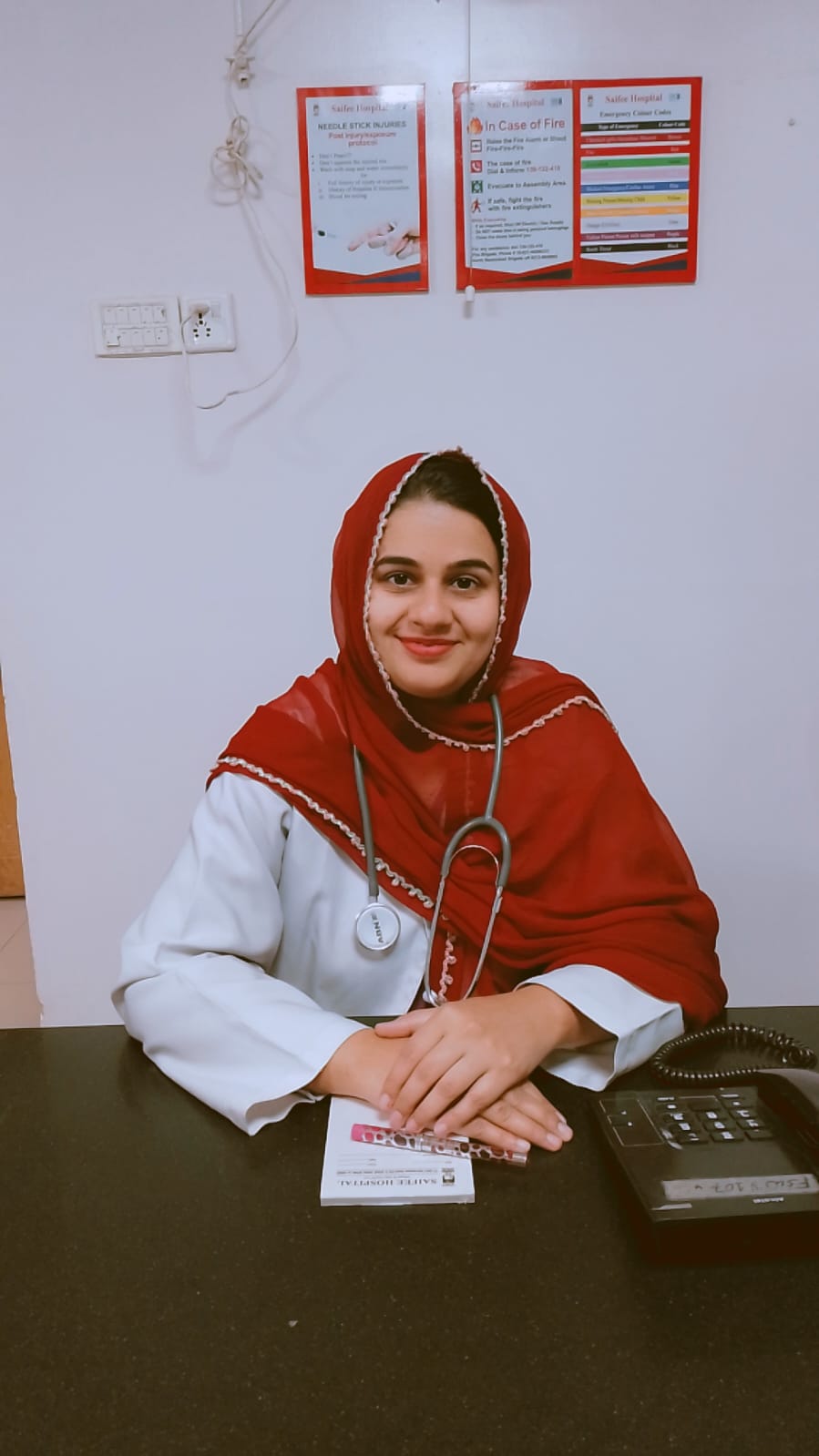
Dr. Munazza
A General Physician (MBBS) with 5+ years of experience, currently working as an RMO at Saifee Hospital, focused on diagnosing, treating, and managing common health conditions.