Qurbani Meat Without a Heart Attack: Safe Portions for Hypertension, Cholesterol, and Diabetes
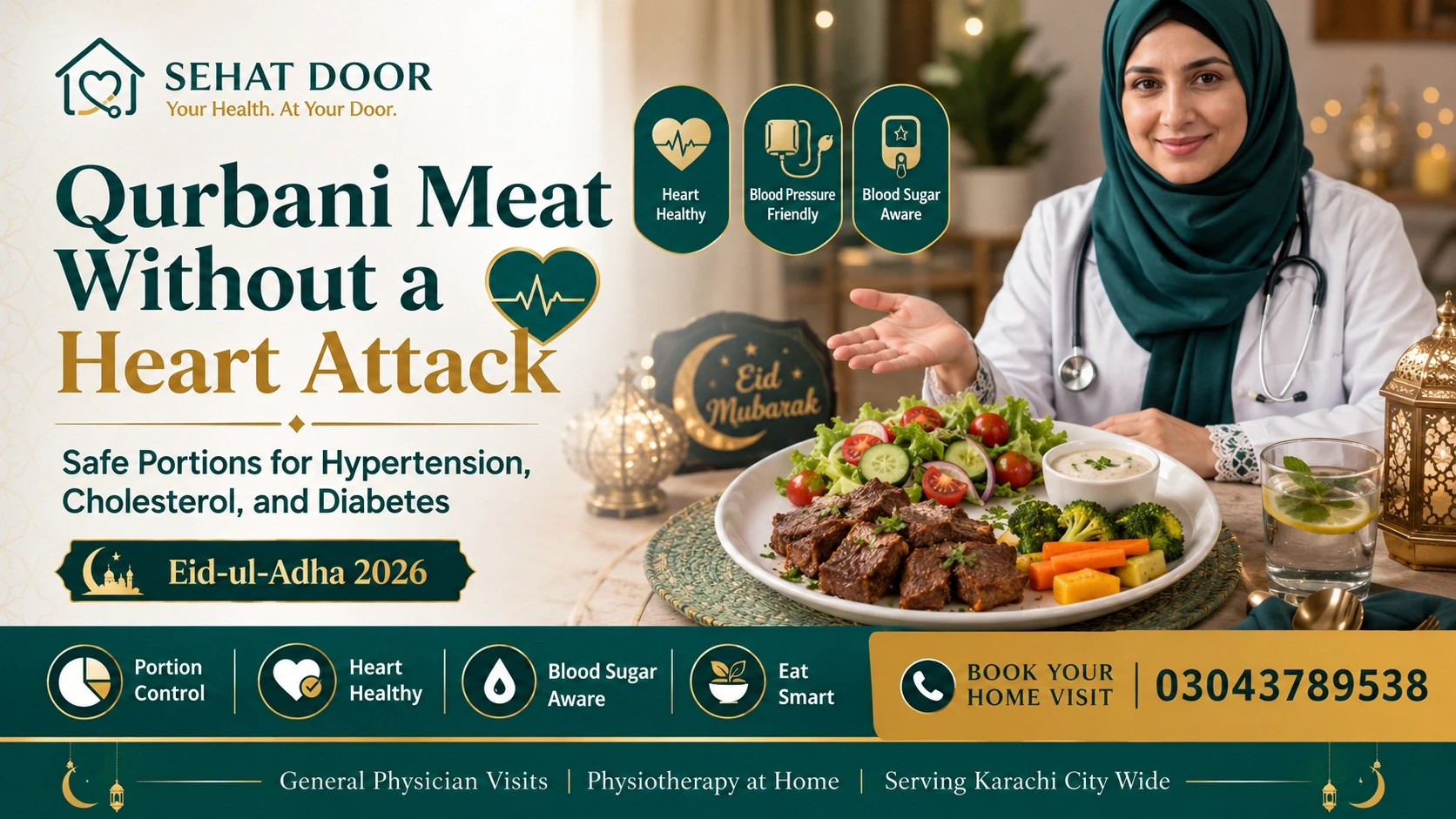
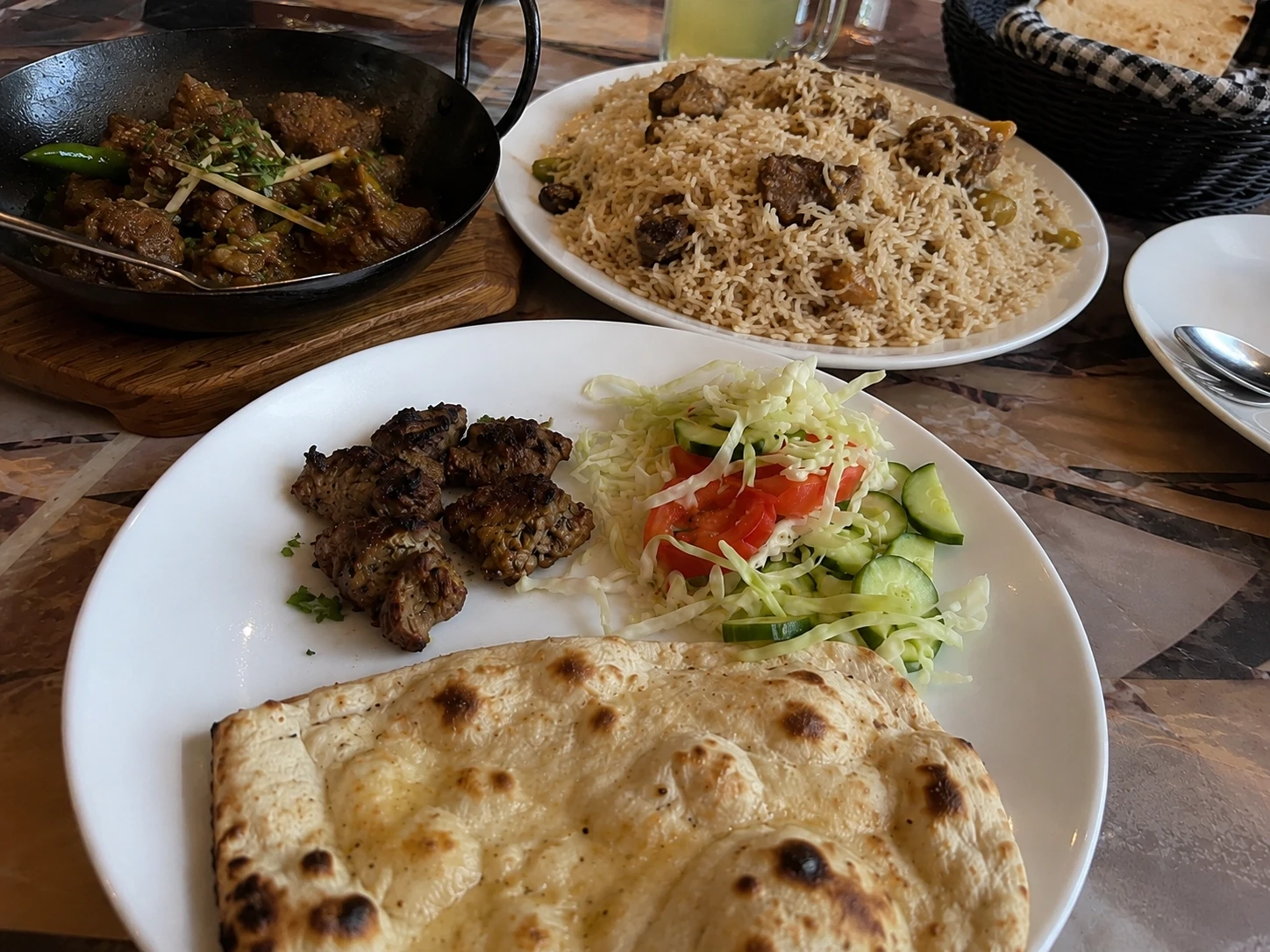
The smell of fresh Qurbani hits you before the sun is fully up on Eid-ul-Azha morning. By afternoon, your roof is smoky with BBQ coal. By evening, three different households have already called to invite you for dinner. This is Karachi. You do not eat one plate of meat on Eid - you eat meat for breakfast, lunch, dinner, and every dawat in between for three straight days. Beef, mutton, kaleji, seekh kebab, nihari, charsi karahi. It does not stop until the freezer is empty, or until someone ends up in the ER. Both outcomes happen more often than people admit.
This is not an article asking you to skip the BBQ. But if you have high blood pressure, elevated cholesterol, diabetes, or a history of heart disease, the same three days your family is celebrating could quietly be setting off a health crisis you did not plan for. Health specialists across the South Asian Muslim world - including in the UAE, where Eid-ul-Azha eating patterns closely mirror those of Karachi households - have warned that people consume more red meat in four Eid days than they would typically eat in an entire month. A gastroenterologist put it bluntly: people tend to eat huge portions of red meat that they probably would not eat in a month, and in doing so jeopardise their health. That warning applies directly to Qurbani households in Karachi.
What follows is a clinically grounded, Eid-specific safety manual. Everything here is general medical education - not a substitute for your own doctor’s plan. If you have known heart disease, very high or uncontrolled blood pressure, or brittle diabetes, follow your personal physician’s instructions. That said, for most people managing a stable chronic condition, there is a way to genuinely enjoy Eid. It requires knowing your actual limits - and being honest about them before the plate is already in front of you.
Quick Portion & Risk Guide: Where Do You Fall?
Your Health Status | Safer Approach to Qurbani Meat | Danger Zone Patterns |
Generally healthy adult - no known BP, cholesterol, or sugar issues | Limit red meat to 90-120 g per meal, at most 1-2 meat-heavy meals per day; aim for no more than ~350-500 g cooked red meat across the whole week, per 2026 AHA cardiovascular dietary guidance. | Eating large portions at every meal for 3 days, plus fried snacks and sugary drinks, with no vegetables or water. |
Known hypertension or high cholesterol | Prefer small, lean portions (60-90 g); avoid visible fat and organ meat; spread intake across the day; follow stricter heart-healthy limits from 2025/2026 AHA and cardiology guidance. | Multiple days of fatty, salty meat dishes - especially late at night - with skipped medications and no BP monitoring. |
Type 2 diabetes or prediabetes | Combine smaller meat portions (60-90 g) with high-fibre sides; avoid sugary drinks and desserts in the same meal; watch post-meal sugars carefully using personal targets. | Large meat-heavy meals with naan, biryani, dessert, and sugary drinks - especially late at night - plus “I’ll skip my insulin today, it’s Eid.” |
Known heart disease, prior heart attack, or stroke | Treat Qurbani meat as a side portion, not the centrepiece; keep amounts minimal; avoid processed meat and tail fat; discuss individual limits with your cardiologist before Eid. | Back-to-back BBQs, multiple rich dishes daily, skipping heart or BP medicines without doctor input, and ignoring chest discomfort or breathlessness. |
How Qurbani Meat Stresses Heart, BP, and Sugar
Why Eid Plates Feel So Heavy on Your Heart
You know the feeling. You finish a full plate of seekh kebab and beef nihari at 10 PM and your body goes quiet and heavy - full in the chest, not just the stomach. You want to lie down immediately. That heaviness is not just volume. When you eat large amounts of red meat, especially fatty cuts, visible fat, and organ meat like kaleji, you push a concentrated load of saturated fat into your bloodstream in a short window. Saturated fat raises LDL cholesterol - the "bad" cholesterol - and accelerates the buildup of fatty plaques inside arterial walls. That process is called atherosclerosis. In plain terms: it hardens and narrows the pipelines that supply blood to your heart and brain. Three days of Qurbani does not build those plaques from scratch. But if they are already there, it feeds them.
The 2026 American Heart Association scientific statement on dietary guidance for cardiovascular health, published in Circulation in March 2026, confirms explicitly that dietary patterns higher in legumes and lower in red and processed meat are associated with lower cardiovascular disease and coronary heart disease risk. When red meat is desired, the AHA now advises: choose lean cuts, avoid processed forms, and limit portion size and frequency. Three days of continuous Qurbani eating - with fatty cuts, organ meat, and rich gravies at every meal - is structurally the opposite of that guidance.
For people already managing high LDL cholesterol or elevated triglycerides, a concentrated surge in saturated fat over even two or three days can temporarily push lipid levels higher. Layer on top of that late nights, disrupted medication timing, and dehydration, and the risk profile of a holiday meal starts to look very different. The cardiovascular event that "came out of nowhere" usually didn't. The warning sign was the plate.
The BP Spike: Salt, Meat, and Late Nights
Every marinade at an Eid BBQ has salt. The gravy has salt. The chatni has salt. The seekh seasoning has salt. And if you eat four different meat dishes across a long, hot Karachi day without drinking enough water, you are combining high sodium intake with active dehydration - one of the most reliable short-term mechanisms for a blood pressure surge in anyone with hypertension. Sodium causes your body to retain fluid to dilute it. More fluid means more blood volume. More blood volume means your heart has to push harder to move it. Blood pressure rises.
Add a late-night heavy meal to that. When you eat a calorie-dense plate at midnight after a physically and emotionally exhausting Qurbani day, your body dramatically redirects blood flow to the digestive system. Heart rate rises. Blood pressure - already elevated from the sodium and dehydration - climbs further. Sleep becomes shallow. Cortisol is higher the next morning. For a hypertensive patient on stable medication, this three-night pattern is enough to push readings into a genuinely dangerous range. Especially if medication was skipped because "it's Eid and I want to enjoy the food." That logic lands people in emergency rooms.
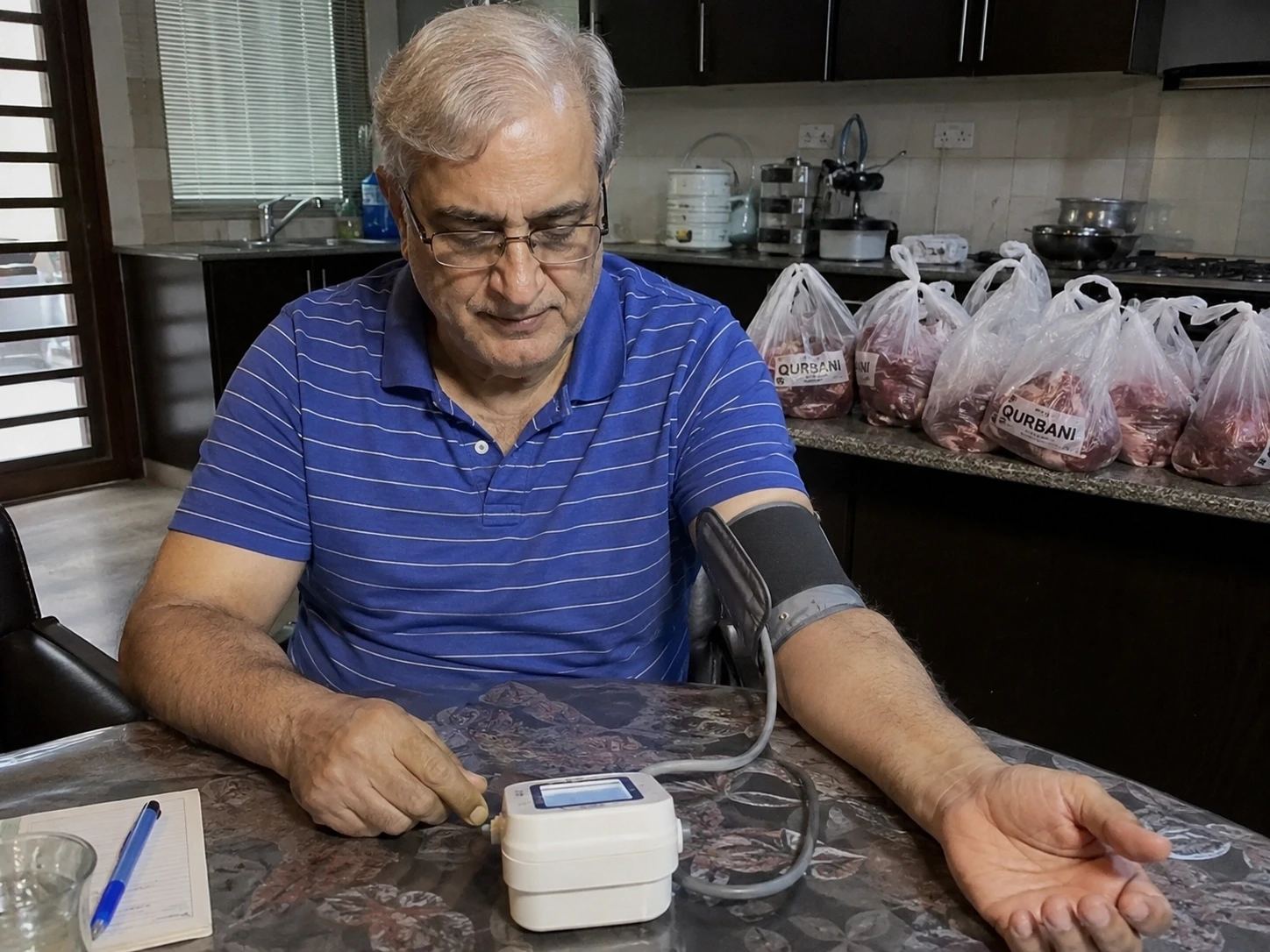
If you have hypertension, keep your home BP cuff active during Eid, not just before it. Check morning and evening readings, and do not measure immediately after eating or getting up. SehatDoor's blood pressure home monitoring checklist walks through the most common technique errors - wrong cuff position, talking during the reading, wrong arm posture - that produce falsely reassuring numbers. And if Karachi's summer heat is already pushing you toward dehydration before the BBQ starts, SehatDoor's guide to managing extreme heat conditions has specific hydration guidance relevant to this Eid season.
Diabetes and Meat: The Sugar Story You Probably Ignore
There is a conversation that happens in almost every Pakistani household on Eid morning. Someone with diabetes decides that because the food is "mostly protein," they can loosen up. This is medically incorrect. A plate of Qurbani BBQ is not a low-sugar meal. Almost no one eats meat without naan, biryani, white rice, or fried bread. These refined carbohydrates cause a sharp post-prandial glucose spike - a rapid rise in blood sugar right after eating. That spike is steeper and more unpredictable when the meal is also high in fat, because fat slows gastric emptying and causes glucose to enter the bloodstream in a drawn-out, erratic surge rather than a clean peak.
Beyond the carbs: high saturated fat intake from repeated meat-heavy meals can independently worsen insulin resistance - the core metabolic defect in Type 2 diabetes. Insulin resistance means your cells are less responsive to the hormone trying to move glucose out of your blood. The result is prolonged elevated blood sugar, which quietly damages blood vessels, nerves, and kidneys over time. A large-scale US study published in February 2026 found that high red meat consumption - especially processed forms - was associated with a substantially higher risk of developing diabetes, with risk increasing with every additional daily serving. For someone who already has the condition, three unchecked Eid days can take weeks to fully correct metabolically.
And skipping diabetes medication or insulin "just for Eid" is one of the most dangerous things a diabetic patient can do. Your pancreas does not observe public holidays.
Gut Fallout: Bloating, Constipation, and Indigestion
Before the cardiac conversation, there is a simpler one: your gut is not designed for three days of meat at every meal. Most Karachi households eat a varied diet on normal days - some meat, some daal, some sabzi. During Eid-ul-Azha, fibre intake drops to nearly zero. No salad, no lentils, no fruit. Just protein and fat, meal after meal. Without fibre to regulate transit, the digestive system slows dramatically. Constipation, severe bloating, acid reflux, and gas are extremely common in the two to three days after heavy Eid eating and are widely normalised as just "what happens." They are not normal - they are a predictable consequence of a specific nutritional pattern, one that you can partially control.
Then there is the burning chest. After a heavy midnight BBQ, many people experience what they dismiss as "gas" or "acidity." Sometimes it is exactly that - gastroesophageal reflux, worsened by lying flat immediately after a full meal. But burning chest discomfort after a heavy meat meal must never be brushed aside casually in anyone with known heart disease, high BP, or diabetes. Acid reflux and a cardiac event can feel remarkably similar in the early minutes. The rule: if discomfort does not fully resolve with a standard antacid within 15 to 20 minutes, or if it spreads to your jaw, arm, or back - that is not acidity. That is an emergency.
Meat storage is its own risk in Karachi's summer. Fresh Qurbani meat left at room temperature for even a few hours can develop dangerous bacterial loads. Vomiting and diarrhoea from spoiled meat spike dehydration rapidly, which then strains already-compromised kidneys and a cardiovascular system managing a high-sodium diet simultaneously. Refrigerate meat immediately. Cook thoroughly. Do not leave cooked meat sitting out between meals.
Who Needs to Be Extra Careful
General guidance covers the general population. These groups need a higher level of caution and a specific conversation with their doctor before Eid week begins:
Known coronary artery disease or prior heart attack or stroke: Your arteries have already demonstrated vulnerability. Every additional saturated fat load matters disproportionately for you, not as an abstract risk but as a real and immediate one.
Uncontrolled hypertension (consistently above 160/100 mmHg): The combination of salty meat, late nights, physical exertion, and potentially skipped medication can push you into hypertensive crisis - which is a medical emergency, not a “bad BP day.”
Type 1 diabetes or brittle Type 2 diabetes: Erratic meal timing and large, unpredictable portions make insulin dose calculation genuinely dangerous. Discuss your Eid insulin management plan with your doctor before the holiday, not during it.
Chronic kidney disease (CKD): High protein intake directly burdens kidneys operating below full capacity. Portion limits for CKD patients are far more restrictive than general guidelines and must be set by a nephrologist, not guessed.
Fatty liver disease (NAFLD): Increasingly common in Pakistani adults with abdominal obesity or prediabetes. High saturated fat intake accelerates hepatic inflammation and further fat accumulation in an already-stressed liver.
Elderly patients and those on multiple medications: Dehydration affects older adults faster and more severely. Polypharmacy interactions can shift when meal schedules change dramatically over several days. Do not assume the old medication timing still applies.
Pregnant women with gestational hypertension or gestational diabetes: Eid eating patterns are high-risk for this group specifically. Small, regular, controlled meals are non-negotiable regardless of dawat culture pressure.
If you fall into any of these categories, a pre-Eid medical check-in is not overcautious - it is genuinely useful. SehatDoor’s home doctor consultation in Karachi makes it possible to speak with a qualified MBBS physician from home before the chaos of Eid week, so you have a personalised plan rather than guessing at portion sizes. You can also arrange at-home blood tests for cholesterol and sugar levels to check where your baseline actually stands before the three-day eating window begins. Knowing your real numbers changes how seriously you take the portions.
Your Eid Meat Game Plan
Here is what practically safe Eid eating looks like for someone managing a chronic condition - or for anyone who simply does not want to feel wrecked by day three.
Start the day with a non-meat breakfast. Dahi, fruit, whole eggs, oats - any fibre-rich start gives your digestion a baseline before the meat begins. Eating a full plate of kaleji on an empty stomach at 8 AM on a hot Eid morning is one of the harshest things you can do to your gut, your BP, and your cholesterol simultaneously.
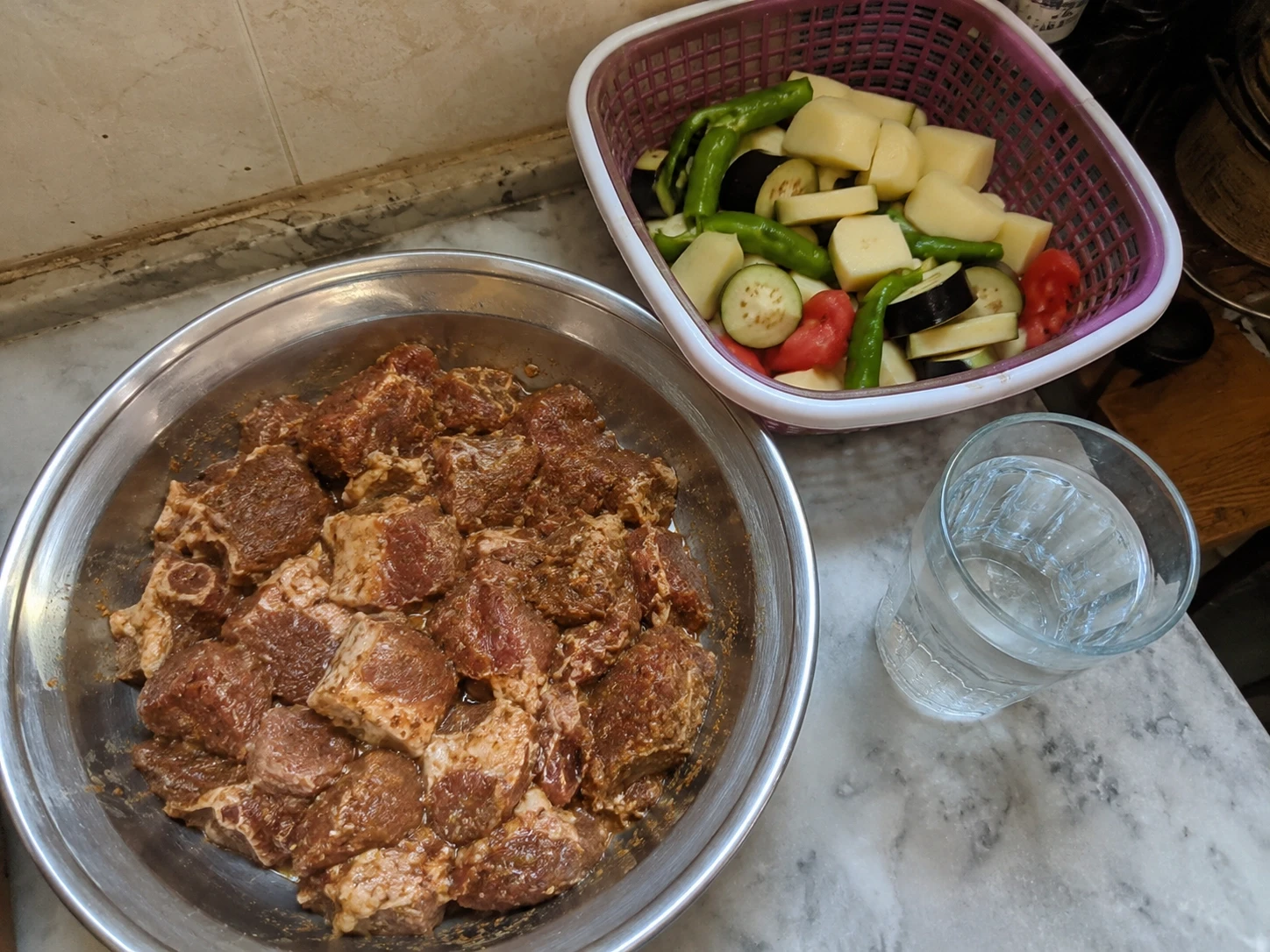
Let fresh Qurbani meat rest 12 to 24 hours in the refrigerator before cooking. Freshly slaughtered meat is structurally tougher and harder to digest than properly rested, chilled meat. For anyone with a sensitive digestive system or a slow gut, this one step meaningfully reduces GI strain.
Choose lean cuts. Trim visible fat before cooking. Avoid tail fat. Keep organ meat minimal if you have high cholesterol, fatty liver, or kidney disease. Grilled, baked, or slow-cooked is better than fried.
The half-plate rule: Half the plate should be vegetables or salad, one-quarter lean meat (roughly a small-to-medium palm), one-quarter complex carbs - roti, brown rice, or daal. This is not a diet plan. It is a structural tool for not eating three portions of meat simply because they are there.
One meat-focused meal per day - not every meal. A non-meat breakfast, a controlled lunch with a palm-sized portion, a lighter dinner. This single structural change makes the biggest difference across the three Eid days for people managing BP, cholesterol, or blood sugar.
Drink water consistently throughout the day. Karachi’s Eid falls in summer heat. You are outdoors, physically active, running between households. Dehydration accelerates BP spikes, constipation, and kidney strain simultaneously. Aim for 8 to 10 glasses across the day. Sweet chai, colas, and bottled juices do not count toward that target - they work against it.
Do not skip medications. Not on Eid morning. Not because the meal timing changed. Not because you want to enjoy food without the reminder. If your normal medication schedule genuinely cannot be maintained around Eid meal patterns, call your doctor before Eid and ask how to adjust the timing. Do not make that decision alone at midnight.
Set your hard personal limit before the plate arrives. A decision made in advance - "I will eat meat at one meal today, palm-sized, no fatty cuts" - is far more likely to hold than one made when the BBQ is smoking and everyone around you is on their second helping.
Rapid-Fire Clinical FAQs
How much Qurbani meat is safe to eat in a day if I have high blood pressure?
For most adults with stable hypertension, 60-90 g of lean cooked meat per serving, and at most one or two such servings per day, is a reasonable upper limit - roughly a small-to-medium palm’s worth. Avoid visible fat, heavily salted marinades, and organ meat. If your BP is poorly controlled or consistently above 160/100 mmHg, get a personalised plan from your doctor before Eid rather than estimating.
Can one Eid-ul-Azha weekend really trigger a heart attack or stroke?
For most healthy people, no. For someone with existing coronary artery disease, severe hypertension, or poorly controlled diabetes, the combined effect of high saturated fat, excess sodium, disrupted medications, poor sleep, and physical exertion can absolutely precipitate a cardiac event. If anyone in your household develops chest pain, jaw or arm pain, sudden severe shortness of breath, profuse sweating, sudden one-sided weakness, or facial drooping after a heavy meal - especially if they have a known condition - this is a potential medical emergency. Go to the ER immediately. Do not wait to see if it passes.
Is goat meat really "safer" than beef for cholesterol and digestion?
Lean goat meat does carry slightly less total fat than some fatty beef cuts, but the difference is smaller than most people assume. Cut, cooking method, and portion size matter far more than the species. Grilled lean goat is better than fried fatty beef - but four plates of goat karahi is still four plates of high-protein, moderate-fat food. Organ meat from any animal - brain, liver, kidney - is high in dietary cholesterol and should be strictly limited if you have hyperlipidaemia or kidney disease.
If my sugar is usually controlled, can I relax my diet during Eid?
"Controlled" means controlled under your usual conditions. Change those conditions dramatically - three nights of late, heavy meals, near-zero fibre, sugary drinks, altered medication timing - and control can deteriorate faster than you expect. Monitor your sugars more frequently during Eid, not less. If readings remain above your personal target range for two consecutive days, contact your doctor. Do not wait for the holiday to be over.
What should I do if I feel chest discomfort or unusual shortness of breath after a heavy meat meal?
Do not wait to see if it passes, and do not take an antacid and lie down hoping for the best. Chest tightness, pressure, pain spreading to the arm or jaw, sudden severe shortness of breath, sweating, or sudden confusion - particularly in anyone with heart disease, high BP, or diabetes - is a potential cardiac emergency. Call emergency services or go to the nearest emergency department immediately. Do not drive yourself. The window for effective intervention in a myocardial infarction (heart attack) is narrow. Minutes matter.
Can I skip or reduce my BP or diabetes medicines because it is Eid?
No. Your medication dose is calibrated for your physiology, not your social calendar. Skipping even one day of antihypertensives or diabetes medication can cause a rapid deterioration that takes days to correct - and during those days, your risk of a serious cardiac or metabolic event is meaningfully elevated. If meal timing during Eid is making it genuinely difficult to stick to your normal schedule, call your doctor before Eid and ask how to adjust. Not after.
How long should I wait after Qurbani before cooking and eating the meat?
Allow fresh Qurbani meat to rest 12 to 24 hours in the refrigerator before cooking wherever possible. This improves both texture and digestibility. If immediate refrigeration is not available, keep it in a cool, shaded area and cook within two hours. In Karachi’s summer heat, do not leave raw meat at room temperature - bacterial contamination develops rapidly. Properly frozen, Qurbani meat is safe for three to six months.
Eid lasts three days. Your heart, brain, kidneys, and arteries have to last decades. The people at your dawat table next Eid - the ones you are cooking for right now - need you functional, not hospitalised. Enjoy the meat. Know your portion. Take your medicines. And if something feels wrong during those three days, seek care immediately. That is not being overcautious. That is being the most important person at the table.
Medical Disclaimer: This article is written for general public health education and does not constitute personalised medical advice. Always consult a qualified physician for guidance specific to your health status, medication regimen, and individual risk factors. If you or a family member experience symptoms of a cardiac event, hypertensive crisis, or diabetic emergency, seek immediate medical attention. For personalised Eid health planning in Karachi, visit SehatDoor’s heart and diabetes care at home.
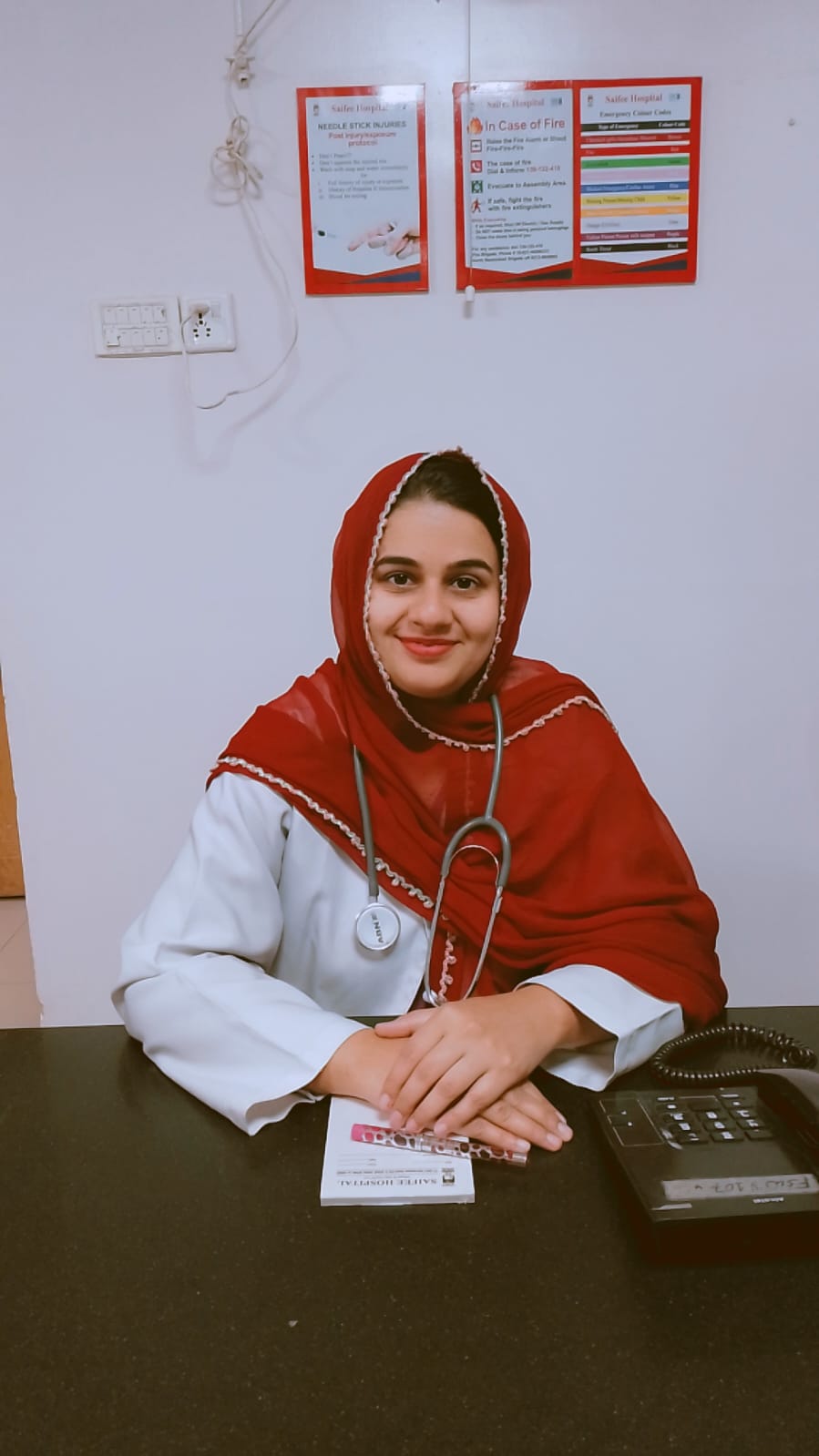
Dr. Munazza
A General Physician (MBBS) with 5+ years of experience, currently working as an RMO at Saifee Hospital, focused on diagnosing, treating, and managing common health conditions.