Why Your Child Is Always Tired: Anaemia, Vitamin D, and Other Hidden Deficiencies
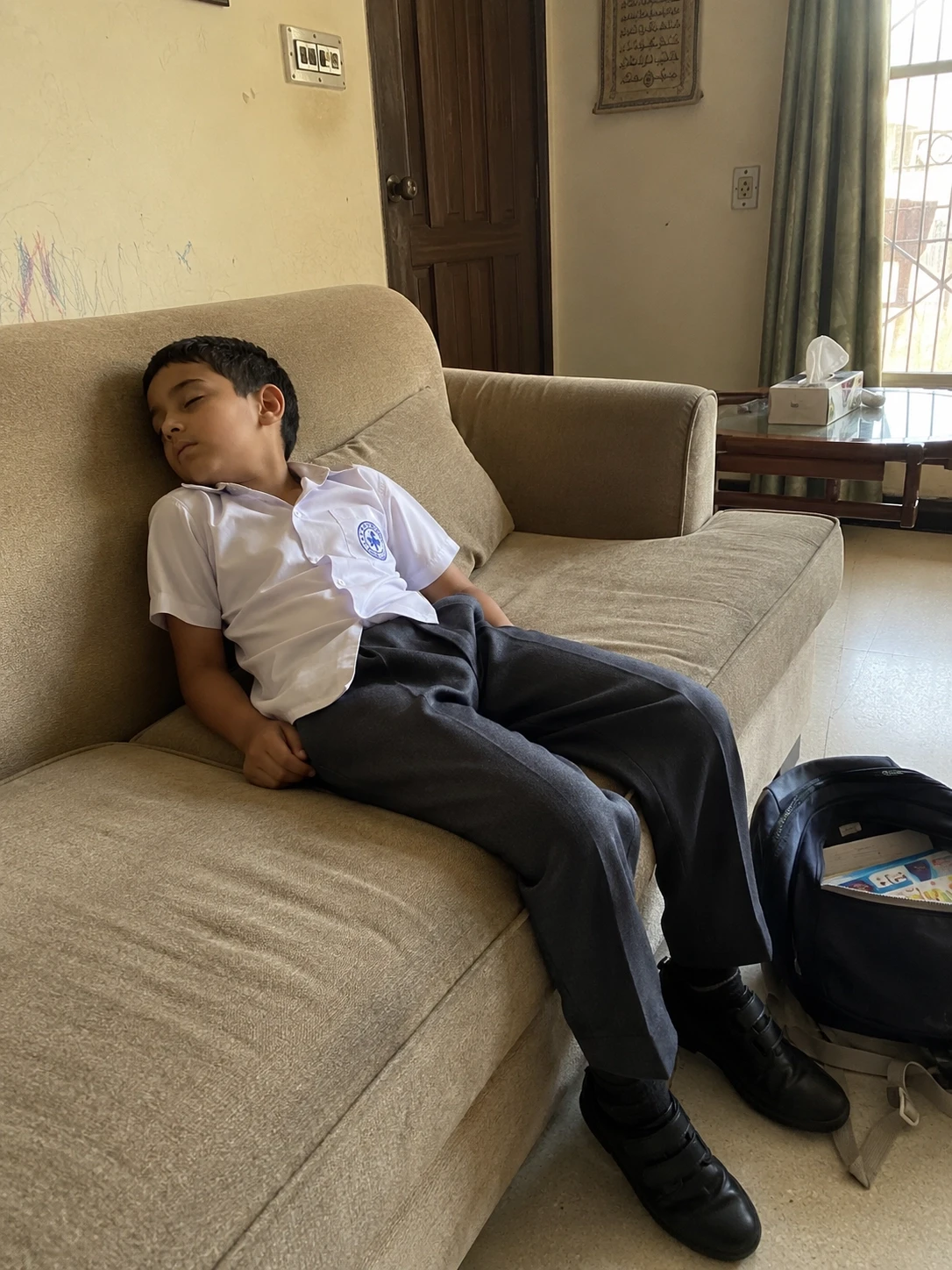
You've said it more than once. "He’s been so tired lately." And someone - maybe a relative, maybe even a teacher - has said it right back: Bacche toh aise hi hotay hain. Stop worrying so much. So you second-guess yourself. You wonder if you’re making a fuss over nothing. You watch your child fall asleep on the van ride home from school, still in uniform, backpack half-open on the seat beside them, and you tell yourself it must be the long day, or the heat, or the extra tuition on top of everything else.
But the fatigue doesn’t dissipate. It is there on Saturdays. It is there during Eid holidays. It’s in the eyes, it’s in the slow walk, it's in the way your child asks to sit out of a game that was once their favourite.
It’s not "just childhood." Fatigue is a symptom. It is your child’s body communicating. As a GP in Karachi with more then 6 years of home visits and clinic consultations, I can say plainly: some of the most anaemic and vitamin D-deficient children I have seen were brought to me after years of being labelled "weak," "lazy," or "just being dramatic." One boy was not taken for a haemoglobin check until he was almost 8 years old. The whole time he was being scolded for not keeping up in PE, it had been sitting at 6.2 g/dL - almost half of what it should be. A 2026 systematic review in the Journal of Global Health confirms that iron deficiency anaemia remains a significant public health burden for school-aged children across South Asia, with cognitive impairment and poor school performance among its documented consequences. On the vitamin D front, a 2025 cross-sectional study of urban school-aged children in Pakistan found that 60.22% of children between ages 6 and 12 were clinically deficient. Not borderline. Deficient. These are children sitting in classrooms across Karachi right now.
No article can substitute for a proper physical examination and laboratory workup. But this guide can help you stop second-guessing yourself and start asking the right questions.
Quick Reference: What You're Seeing and What It Might Mean
What You Notice at Home | Possible Biological Driver | What You Should Do Next |
Child looks pale, tires easily after mild play, breathless climbing one flight of stairs | May indicate iron deficiency anaemia reducing oxygen-carrying capacity. IDA remains a significant burden for school-aged children across South Asia. | Book a doctor visit. Ask specifically for haemoglobin, serum ferritin, and full blood count before starting any iron. |
Child complains of leg pains, bone aches, or ‘itchy bones’ at night; avoids outdoor play | May relate to vitamin D deficiency causing poor bone mineralisation. A 2025 Pakistani study linked low vitamin D to adverse musculoskeletal outcomes in school-aged children. | Discuss serum 25(OH)D testing with your doctor. Do not begin high-dose supplementation without knowing the baseline level. |
Child sleeps late, wakes up groggy, lives on chai and sugary snacks, barely functional before noon | Sleep debt, glucose swings, and poor diet quality can all mimic or amplify deficiency-related fatigue. | Start a sleep and food diary, establish consistent bedtimes, and still see a doctor if exhaustion continues beyond two weeks. |
Child is always tired AND losing weight, running intermittent fevers, or sweating through the night | Suggestive of a more serious underlying illness beyond simple nutrient deficiency. | Treat this as urgent: see a doctor within 24–48 hours for a full examination and targeted investigations. |
What "Always Tired" Really Looks Like in a Karachi Child
The Subtle Signs You're Probably Ignoring
Here's what tiredness in a deficient child actually looks like day to day. It doesn’t always look like a child who cannot get out of bed. Sometimes it looks like a 10-year-old who asks to take the lift because "my legs feel heavy." A 7-year-old who stops mid-game at break time and finds a wall to lean against. A 13-year-old whose grades are slipping even though she is studying more hours than ever - because her brain, quite literally, is not receiving enough oxygen or nutrients to process and retain information properly.
Parents attribute this to growing pains, late nights, or too much screen time. Some of that is true - screens and disturbed sleep really do worsen fatigue. But they rarely produce the kind of persistent, constant fatigue that has no good day, no good week, and no real explanation other than "he's just always been like this." That phrase - always been like this - is actually the red flag. Deficiencies do not usually announce themselves overnight. They creep in slowly, and by the time a child’s behaviour and performance have visibly changed, the underlying problem has often been building for months.
Watch for patterns across weeks, not single bad days. If your child consistently falls apart after school, consistently refuses physical activity they used to enjoy, consistently wakes up as tired as they went to bed - that pattern deserves clinical investigation. Not another early bedtime and a random multivitamin from the chemist.
Anaemia: When Low Iron Steals Your Child's Oxygen
In my experience, iron deficiency anaemia is the single most under-diagnosed cause of fatigue in school-going children in this city. The mechanism is not complicated. Iron is needed for the production of haemoglobin - the protein in red blood cells that carries oxygen from the lungs to every organ, muscle, and brain cell in the body. When iron stores fall low, haemoglobin drops. When haemoglobin drops, every cell in your child’s body is operating on reduced oxygen. This leads to fatigue, pale skin, elevated resting heart rate, shortness of breath after light activity, difficulty concentrating, and chronic headaches that no amount of sleep fixes.
A child with moderate iron deficiency anaemia may appear outwardly normal while struggling profoundly on the inside. And critically, iron deficiency without clinical anaemia has been shown to impair memory, attention, and learning in Pakistani children aged 5 to 18 - meaning your child does not need a dramatically low haemoglobin number for their school performance and behaviour to already be suffering the consequences.
A 2025 South and Southeast Asia consensus published in the journal Anemia stated clearly: iron deficiency anaemia adversely impacts cognitive performance, behaviour, and physical growth in young children, weakens immunity, and limits school performance. That is not a mild inconvenience. That is potentially years of educational disadvantage accumulating quietly while everyone tells you the child is just not trying hard enough.
One thing that needs saying directly: do not start iron supplementation without blood tests. Ferritin, haemoglobin, and a full blood count together tell a story that haemoglobin alone does not. Other causes of anaemia - vitamin B12 deficiency, folate deficiency, thalassaemia trait - behave differently and require different treatment. Iron overload is a real risk with unsupervised supplementation. A GP can order the right panel, read it in context, and prescribe a dose that matches what your child actually needs. A tonic from a pharmacy shelf cannot do any of that.
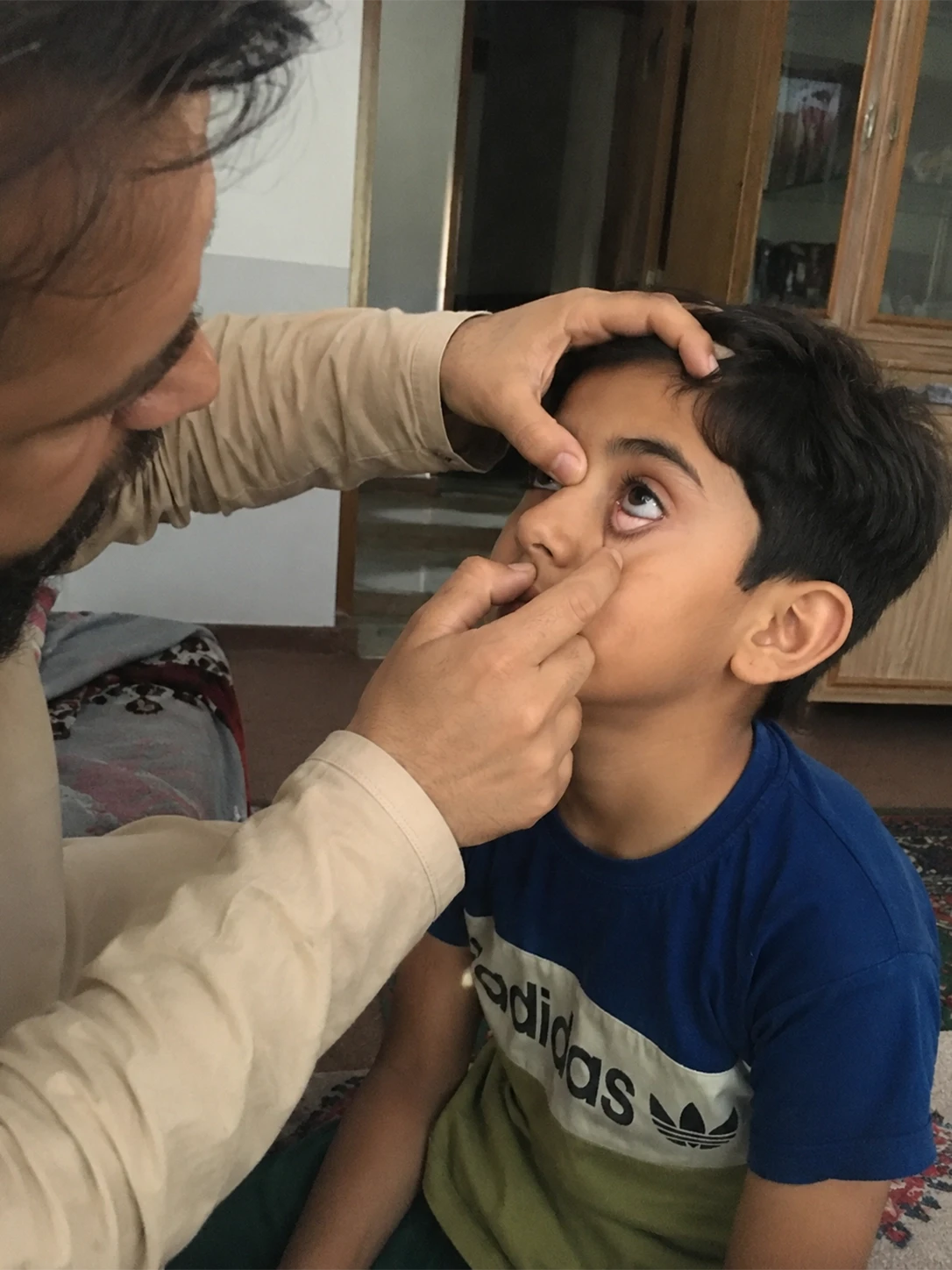
For families managing school schedules and clinic queues, SehatDoor paediatric care is built around bringing proper doctor consultations and blood investigations to your home - so a tired child does not have to sit in a waiting room for three hours before anyone looks at them.
Vitamin D and Friends: Deficiencies You Can't See on the Surface
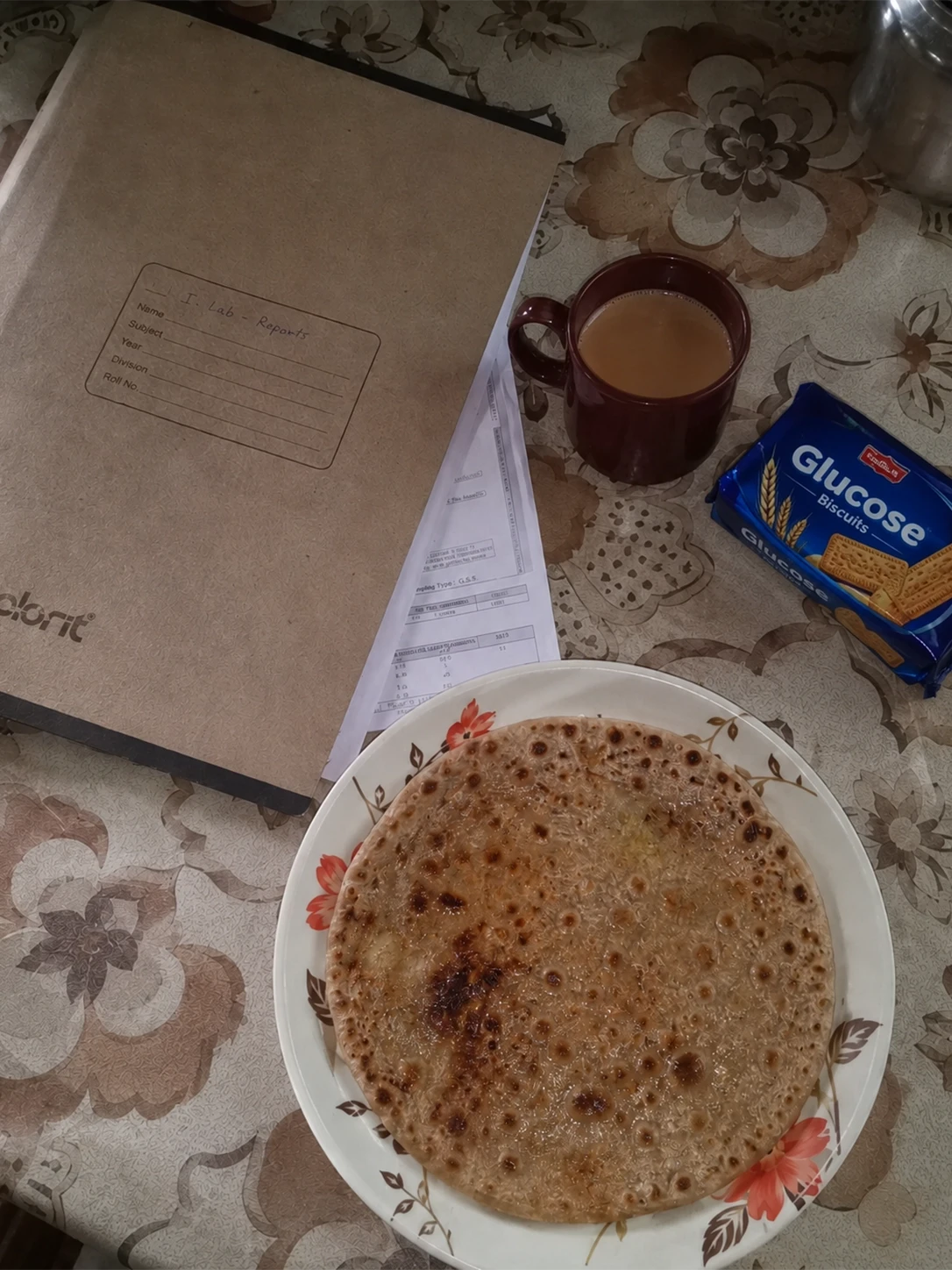
Pakistan has some of the highest rates of vitamin D deficiency in the world - despite being a country with abundant sunshine. The contradiction makes sense once you look at how children actually spend their days. Most urban children in Karachi get almost no effective sun exposure during the hours when UVB radiation is capable of producing vitamin D in skin. They are indoors during peak sun hours. Girls wearing full-coverage clothing absorb almost nothing regardless. Karachi’s pollution scatters UV before it reaches skin level in meaningful quantities. And the diet - paratha, chai, biscuits, rice - provides virtually no natural vitamin D at all.
The numbers reflect this. A 2025 study of urban Pakistani school children found over 60% clinically deficient. A separate 2025 study from Lahore found 32% of school-aged children below the deficiency threshold, with a strong statistical link to poor bone mineralisation and musculoskeletal outcomes. These are not outliers. Any GP doing home visits in Karachi sees this routinely.
Vitamin D deficiency presents as bone aches and leg pains - often worse at night, sometimes described as "itchy deep inside the bone" that children struggle to explain clearly. It presents as muscle weakness, a vague heaviness in the legs, low mood, recurrent infections, and fatigue that does not improve with rest. A child who keeps picking up chest infections, who gets colds more often than siblings despite eating well, who complains of joint pain during exercise - that child may well be vitamin D deficient.
B12 deficiency follows close behind, particularly in children whose diets are heavy in bread and very light in eggs, meat, and dairy. Folate deficiency runs a similar pattern. Neither of these announces itself dramatically. They show up as the child consistently described at parent-teacher meetings as "not reaching potential." Read that phrase and think about it from a biological angle.
Persistent bone pain and leg symptoms in children also deserve a proper structural assessment - and knowing when leg alignment problems and bone symptoms in children warrant clinical evaluation is something parents often delay far longer than they should.
Do not self-prescribe high-dose vitamin D. Toxicity from over-supplementation is a documented clinical problem. The correct therapeutic dose depends entirely on the baseline serum 25(OH)D level. Get the number. Then treat to target.
When Fatigue Isn't Just Nutrition: Sleep, Stress, and Chronic Illness
Not all fatigue is a deficiency. That has to be said clearly.
A child who sleeps at midnight watching short-form videos and wakes at 6 AM for school is operating on compounding sleep debt. That produces fatigue clinically indistinguishable from anaemia at first glance - poor concentration, slow processing, irritability, low stamina. The connection between screen-driven sleep disruption and childhood exhaustion is well-established: blue light suppresses melatonin secretion, and the cognitive stimulation of scrolling prevents the nervous system from downregulating properly even when the child is technically in bed. For children struggling with these patterns, insomnia treatment at home and sleep hygiene restructuring is a meaningful intervention - but it needs to happen alongside medical evaluation, not instead of it.
Because here is the clinical reality: multiple causes coexist. The child with iron deficiency anaemia almost always also has a poor diet. The child with a poor diet often also has disrupted sleep. The child with disrupted sleep is often anxious, performing poorly at school, and getting less outdoor time. Fixing one variable will help. It will not fix all of them.
Chronic infections are a frequently missed driver of persistent paediatric fatigue. Recurrent tonsillitis, low-grade urinary infections, undiagnosed tuberculosis in a household with a known contact - all maintain a continuous inflammatory state that keeps a child’s immune system burning energy that should be going elsewhere. Poorly controlled asthma means a child is working harder to breathe even during sleep. Hypothyroidism in adolescent girls is significantly under-recognised and presents almost entirely as fatigue, weight gain, cold intolerance, constipation, and flat affect.
Red-flag combinations that need prompt medical review - not another week of watching and waiting:
Tired + pale + breathless after climbing one flight of stairs or minimal physical effort
Tired + unexplained weight loss over two to four weeks
Tired + intermittent fever + night sweats - this combination should never be ignored
Tired + bone pain + easy bruising - warrants urgent haematological assessment, not a GP visit in two weeks
Tired + palpitations at rest or with light activity - the heart should not be racing when a child is sitting still
If your child fits any of these combinations, a Karachi doctor consultation at home is a practical starting point for families managing difficult schedules - but it is a starting point, not a ceiling. Some clinical presentations need specialist referral, and a competent GP will tell you when you have reached that threshold.
"Lazy" vs "Low on Fuel": Correcting What You've Been Told
"He's just lazy, boys are like that" - Many children labelled lazy are running on low haemoglobin and depleted iron stores. No amount of scolding corrects a red blood cell problem. The child you are telling to “try harder” may be physiologically incapable of producing the energy being demanded of them.
"She eats fine, so she can’t be deficient" - Diet quantity is not the same as diet quality, and diet quality is not the same as absorption. A child eating three meals a day but with a chronic gut infection, a high-phytate diet eaten without vitamin C, or a gastrointestinal absorption problem may be absorbing a fraction of the nutrients on their plate. How full a child looks after a meal tells you almost nothing about their serum ferritin.
"If I go to a doctor, they’ll just give a tonic" - There is a concrete difference between a random iron syrup dispensed without investigation and targeted supplementation based on confirmed blood work. The first is guesswork. The second is clinical treatment. Ask your doctor specifically: “Can we check haemoglobin, ferritin, vitamin D, and B12 before we start anything?” A doctor who cannot answer that question clearly is not giving you adequate care.
"The labs were normal last time, so the tiredness must be fake" - A basic blood panel returning within reference ranges does not rule out sleep disorders, subclinical thyroid dysfunction, anxiety disorders, chronic infections, or functional conditions that require a more detailed workup. "Normal basic labs" is the beginning of a diagnostic conversation. Not the end of one.
What Parents Ask Most: Clinical FAQs on Child Fatigue
When should I worry that my child's tiredness is not normal?
Worry when the tiredness is persistent - lasting more than two to three weeks without a clear cause - or when it is accompanied by pallor, breathlessness, weight loss, fever, or a measurable change in behaviour or school performance. A tired week after exams is different from a child who has been exhausted for months; the second category needs a proper doctor consultation, not more reassurance.
Can anaemia be the reason my child is always tired and pale?
Yes, and it is one of the most common reasons in this region. Low haemoglobin reduces oxygen delivery to every organ including the brain, causing fatigue, pallor, poor concentration, and a fast resting heart rate. A blood test checking haemoglobin and serum ferritin will confirm or rule it out within days - do not start iron supplementation before this step.
What are the signs of vitamin D deficiency in children that show up as tiredness or leg pain?
Bone aches especially at night, muscle weakness, a generalised heaviness in the limbs, low mood, frequent infections, and fatigue that does not respond to rest are all typical presentations. These symptoms overlap significantly with anaemia, which is exactly why blood testing - not clinical guesswork - is the correct approach.
Is it safe to start iron or vitamin D supplements for my child without doing blood tests?
No. Both can cause harm at incorrect doses, and supplementing without a confirmed deficiency can mask other diagnoses entirely. Always establish baseline levels first - haemoglobin, ferritin, and serum 25(OH)D are the minimum before any supplementation begins.
How do I know if my child's tiredness is from late nights and screens or from a medical problem?
If tiredness resolves completely after two consistent weeks of early bedtimes and meaningful screen reduction, sleep disruption was likely the primary driver. If exhaustion persists despite genuine sleep improvement, there is almost certainly a medical component that needs investigation - and in most cases, both factors are present simultaneously.
Which blood tests should I ask about if my child is always tired?
At minimum: full blood count, haemoglobin, serum ferritin, serum 25(OH)D, vitamin B12, and folate. Depending on clinical findings, your doctor may also add thyroid function (TSH) and inflammatory markers such as CRP and ESR - the specific panel should follow a clinical examination, not a parent’s read of an article, however thorough.
Can a child outgrow anaemia or vitamin D deficiency without treatment if they just eat better?
Mild improvements in diet contribute meaningfully to long-term prevention. They do not rapidly correct an established deficiency. A 7-year-old with a ferritin of 4 ng/mL needs clinical-grade supplementation at a calibrated dose - diet is part of the long-term plan, but it is not the emergency fix.
Untreated iron deficiency anaemia during the school years carries consequences that extend far beyond daily tiredness. The cognitive impairment documented in children with ongoing iron deficiency is not always fully reversible with treatment that begins late. The bone health damage from years of unaddressed vitamin D deficiency does not disappear with a few months of supplementation. The child dismissed as lazy at age 8 and finally tested at age 12 has spent four critical years of neural and physical development running on inadequate resources. Early identification, proper testing, and correct treatment are not overreacting. For at-home blood tests for children in Karachi, SehatDoor brings the full diagnostic process - consultation, blood draw, and follow-up - directly to your home, so that “I don’t have time to take him to the lab” is no longer the reason these answers stay unknown.
DISCLAIMER: This article is for preventative educational purposes only and does not constitute individual medical advice. If your child is experiencing persistent fatigue or any of the red-flag symptoms described above, consult a qualified physician promptly.
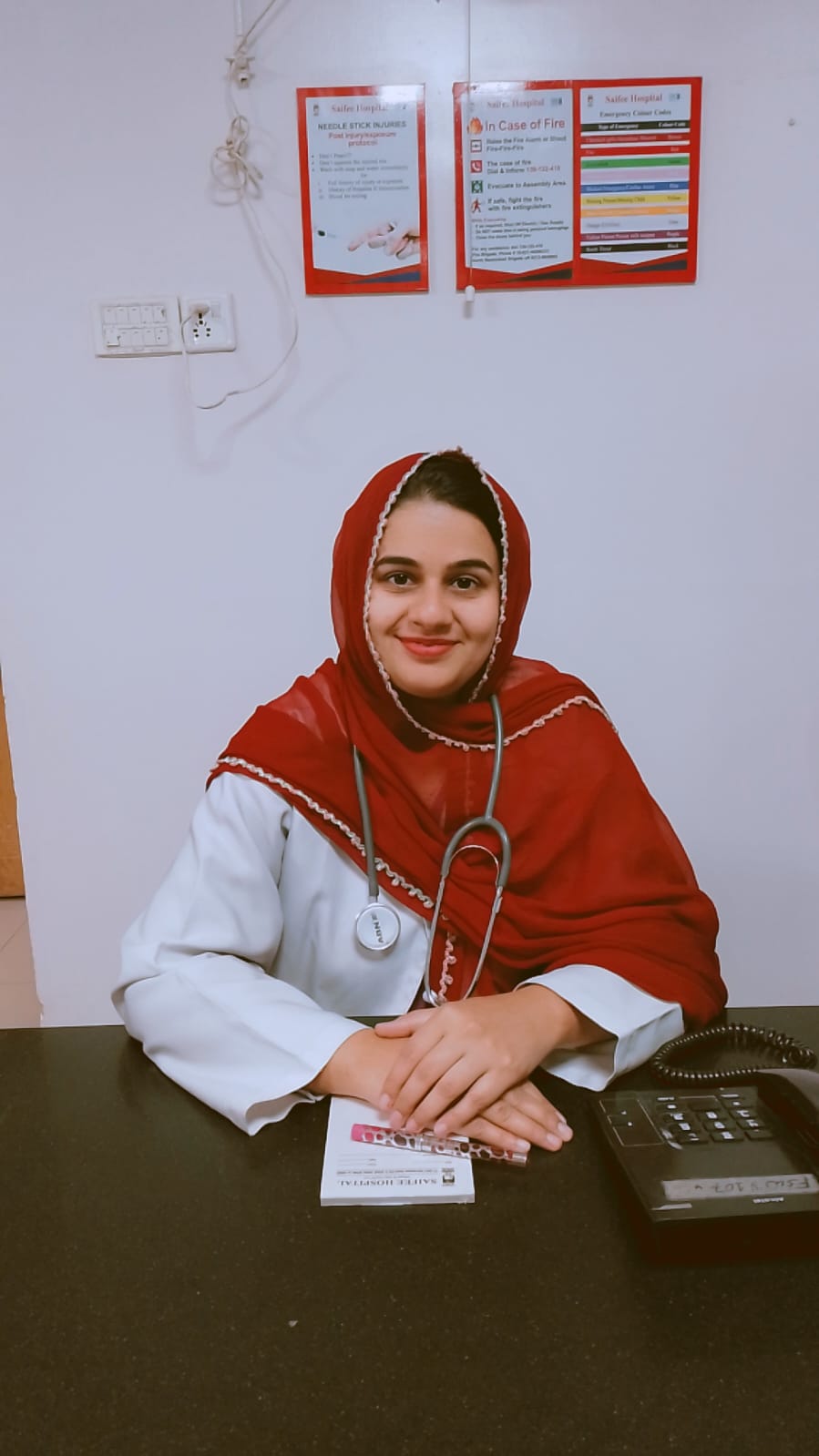
Dr. Munazza
A General Physician (MBBS) with 6+ years of experience, currently working as an RMO at Saifee Hospital, focused on diagnosing, treating, and managing common health conditions.