Physiotherapy vs Chiropractic vs Massage: What Each Can and Cannot Do for Your Pain

Your neck has been stiff for three months. One friend says, "Bhai, chiropractor se karwao, ek session mein theek ho jaoge." Your cousin swears by the maalish wala who fixed her shoulder. Your GP wrote "physiotherapy" on a prescription chit and handed it back without explanation. You're now at the crossroads of three professions, three promises, and zero clarity.
This happens constantly in Karachi. People with real, persistent musculoskeletal pain end up either cycling between expensive sessions of one thing or abandoning treatment entirely because nothing matched the hype. The honest answer is that physiotherapy, chiropractic care, and massage therapy each have a real evidence base - and real limits. Knowing which is which is what gets people better.
A 2025 Bayesian network meta-analysis found that active physiotherapy produced meaningfully better outcomes than passive physiotherapy for chronic low back pain - a useful reminder that what happens in a session matters, not just who delivers it. A 2025 multicentre RCT published in BMC Musculoskeletal Disorders found no statistically significant difference in disability outcomes between physiotherapy, chiropractic care, and their combination for nonspecific chronic low back pain - which tells you something important: the gap between these professions is smaller than the marketing suggests. And a 2025 systematic review in the International Journal of Therapeutic Massage & Bodywork confirmed that people with musculoskeletal pain are among the highest users of massage globally, while noting that massage as a standalone treatment still needs more high-quality evidence. Put all that together and what you get is: none of these is clearly the winner. The choice depends on your specific problem, your red-flag status, and what you’ll actually commit to.
What Each Profession Actually Does
Profession / Approach | Main Focus & Tools | What It Can Realistically Do Well | What It Cannot / Should Not Promise |
Physiotherapist (PT) | Movement analysis, exercise therapy, education, manual therapy (mobilisation/manipulation), posture and load management. | Improve pain and function through exercise, graded loading, and manual techniques; address strength, mobility, and movement control; first-line approach for many spine and joint pain cases. | Cannot fix structural problems overnight or guarantee permanent cure after a few sessions; should not be the only professional involved when red-flag symptoms are present. |
Chiropractor | Spinal and joint assessment with a focus on alignment; high-velocity low-amplitude spinal manipulations; some provide exercise and lifestyle advice. | Provide short-term pain relief and functional improvement in many spine pain cases, with outcomes broadly similar to physiotherapy for chronic low back pain. | Should not promise to cure internal organ disease or serious pathology with spinal adjustments alone; not a replacement for necessary medical or surgical care. |
Massage Therapist | Soft-tissue work: muscle and fascia release, relaxation, sometimes self-massage education. | Help reduce muscle tension, pain, and stress; improve short-term comfort and sleep when included in a broader pain-management or rehabilitation programme. | Cannot correct joint alignment, rebuild strength, or replace rehabilitation and medical assessment; should not be the only intervention for chronic or worsening pain. |
How Each Modality Actually Works
Physiotherapy: Movement, Load, and Long-Term Change
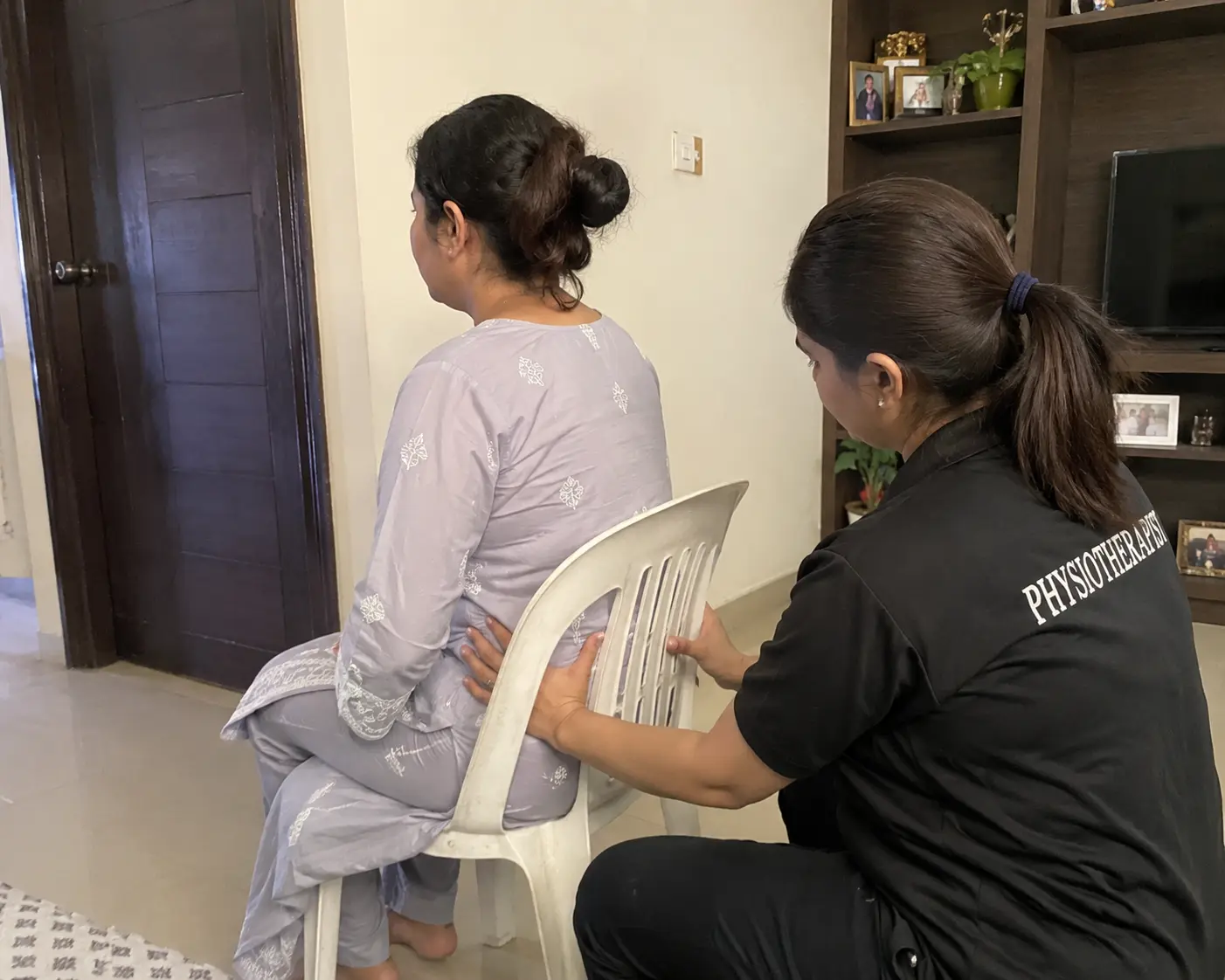
When you go in for a PT appointment, you expect to be poked and prodded and given a printout of exercises to do at home. What should actually happen is a detailed movement assessment: how you sit, how you bend, where your load is going, what your core is or isn’t doing. The burning sensation between your shoulder blades after a 9-hour shift on a laptop - that’s not random. It almost always reflects a specific pattern of underloaded muscles and overloaded joints that exercise and education can directly address.
Who can prescribe exercise, grade your loading, and design a rehabilitation programme is the PT’s core jurisdiction. Manual therapy - joint mobilisations and sometimes manipulation - is also in the toolkit, but the research is clear that manual therapy alone, without active rehabilitation, produces short-lived gains. The 2025 Bayesian network meta-analysis reinforces this: active physiotherapy outperformed passive approaches consistently.
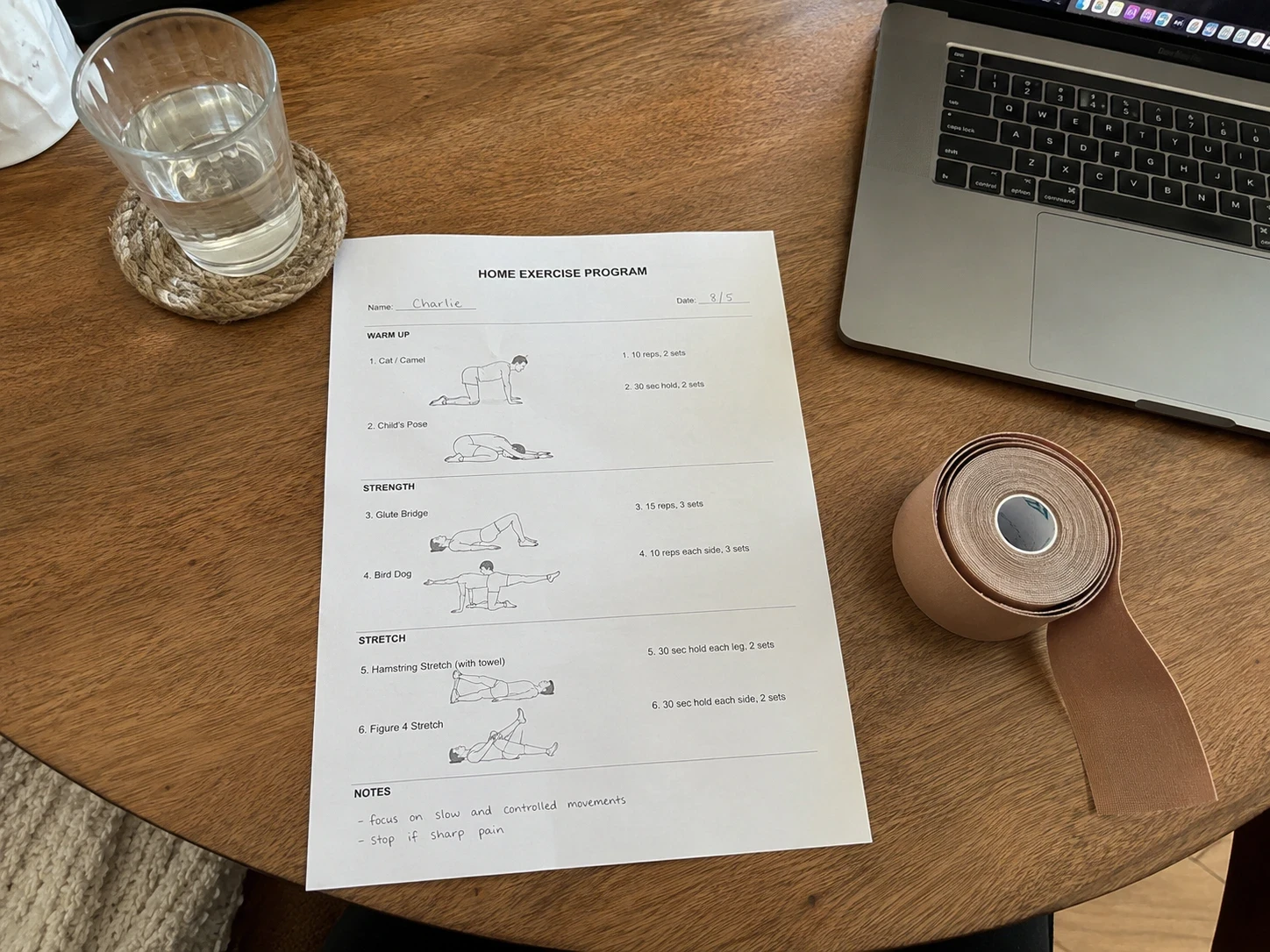
The follow-through matters. Home exercise programmes, self-management strategies, gradual return to load - these produce durable change. That’s also what makes physiotherapy demanding. It requires your participation. The exercises are graded to your actual capacity, not your imagined one.
Chiropractic: Spinal Manipulation and When It Helps
A chiropractic session typically begins with history-taking, orthopaedic testing, and postural assessment, followed by spinal manipulative therapy (SMT) - the controlled thrusting technique applied to a specific spinal segment. The crack you hear is a normal pressure change in the joint, not bones being "put back in place."
That framing matters. The idea that your spine is "out of alignment" and a series of adjustments will "correct" it is not well supported by current evidence. What SMT does do, according to multiple trials, is produce short-term improvements in pain and function for many spine pain patients - effects roughly comparable to guideline-based physiotherapy care. The 2025 JOSPT network meta-analysis found that the effectiveness of SMT for spinal pain does not significantly depend on the specific application procedures used - which suggests the mechanism is broader than precise segment targeting.
When might manipulation be worth considering? When your pain is primarily mechanical (worsens with specific movements, improves with others), red flags have been ruled out, and you have clear, time-bound goals. When is it not appropriate? Active fracture, osteoporosis in the target segment, certain arterial risk factors for cervical manipulation, or any situation where red-flag screening hasn't been done properly. A good chiropractor will screen for these. If they don’t, that’s your cue to walk out.
Massage Therapy: Relief, Recovery, and Its Limits
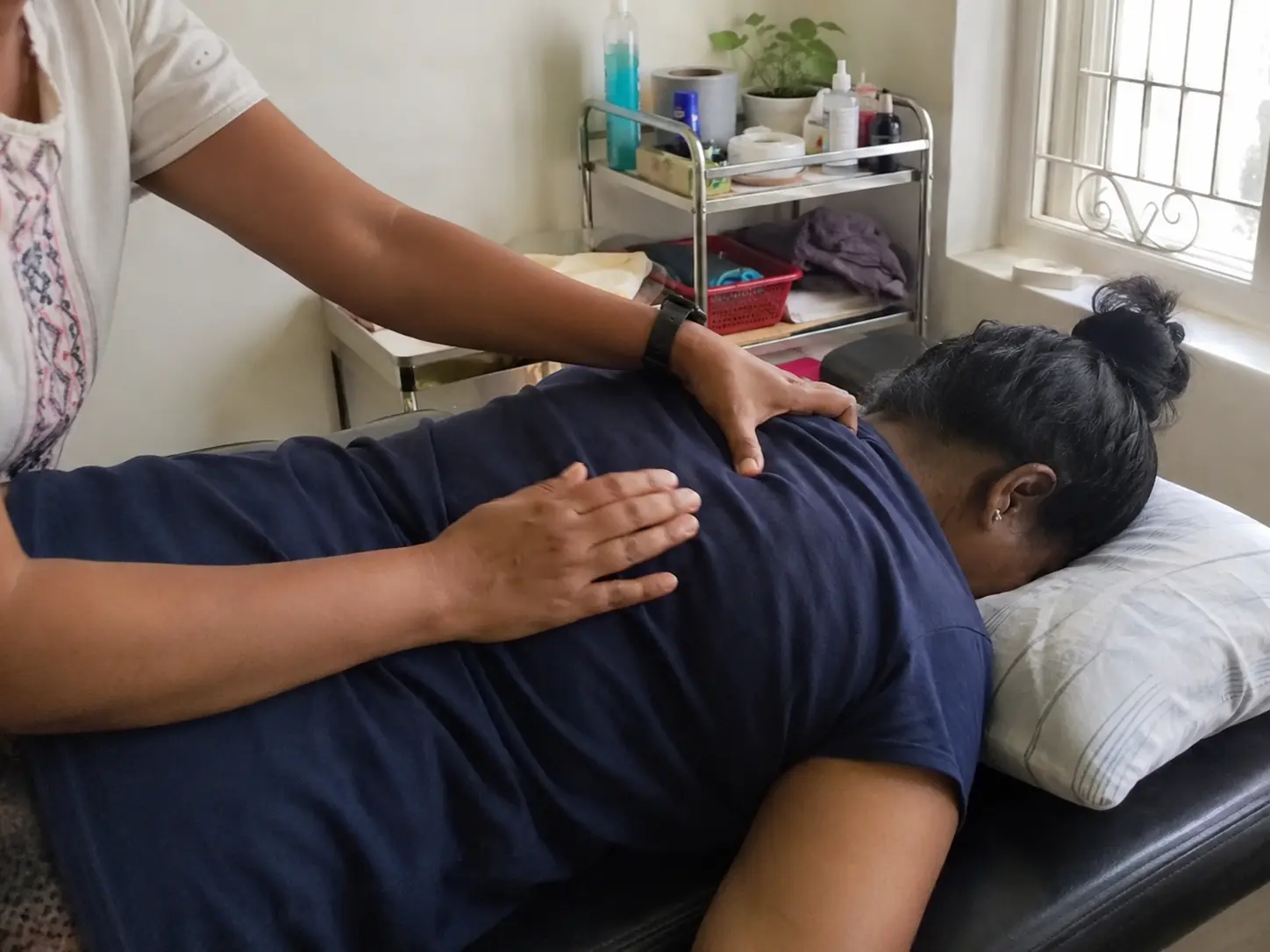
Think about the last time you carried Karachi traffic stress in your trapezius - that dense, almost cartilaginous band of tension that sits between your neck and shoulder and makes you wince when someone presses it. That’s what a skilled massage therapist is directly targeting. Through techniques like myofascial release, trigger point work, and sustained deep-tissue pressure, they're modulating pain signals through the nervous system, reducing local muscle hypertonicity, and - just as importantly - activating the parasympathetic nervous system in a way that often improves sleep and reduces central sensitisation.
The limits are real, though. Massage does not rebuild the muscles that are failing to support your lumbar spine. It does not retrain the movement patterns that keep loading the same joint every day. The 2025 systematic review on massage utilisation flagged that evidence for massage as a standalone treatment is weaker than for massage as part of a multimodal plan. Used alongside exercise and load management? Often genuinely helpful. Used as the only intervention for persistent or worsening pain? That’s where it falls short.
When Your Pain Needs a Team, Not a Hero
The reason people with chronic pain often feel like they’ve "tried everything" is that they’ve tried one thing at a time, sequentially, waiting for each to be the cure. Chronic pain rarely works that way.
The biopsychosocial model - pain is shaped by physical tissue, psychological state (stress, anxiety, catastrophising), and social factors (work pressure, sleep, activity levels) - is now the dominant framework in spine pain management. It’s what every major international guideline reflects. A PT who incorporates pain education into a home visit is working within this model. Someone who promises to fix your disc in four sessions is not.
For most people, the most effective approach combines graded exercise from a physiotherapist, short-term manual therapy if appropriate, and possibly massage for symptom management - alongside sleep hygiene, occupational modification, and realistic goal-setting. Shared decision-making is the standard. A clinician who dismisses your preferences isn’t giving you evidence-based care.
Red-Flag Territory: When None of These Are Enough
Stop. Before you book anything, run through these:
Trauma - recent fall, road accident, or direct impact to the spine.
Unexplained weight loss, night sweats, or fever alongside pain.
Night pain - the kind that wakes you up at 3 AM and doesn’t care if you move, stretch, or change position.
Progressive neurological symptoms - worsening numbness, tingling, or weakness in a limb, not just background pins and needles.
Loss of bladder or bowel control - this is a medical emergency. Go to a hospital.
History of cancer - any spinal pain in someone with a known cancer history needs imaging and oncological review before manual therapy.
Physiotherapy, chiropractic care, and massage are not substitutes for emergency medicine, oncological evaluation, or surgical assessment. They exist within a medically safe framework - which means getting screened first. A physiotherapist doing a home assessment is also doing a red-flag screen. That’s part of the job.
For those who genuinely can't travel - older adults with mobility limitations, desk workers who can't take two hours off for a clinic visit - SehatDoor's home physiotherapy services brings that clinical assessment and rehabilitation to your home in Karachi, with triage built in.
Who Should I See First? A Practical Decision Guide
If your pain started gradually from desk work, improves slightly when you move around, and you feel chronically stiff and weak - physiotherapy is usually the best starting point for structured exercise, load management, and education. Our guide on what prolonged sitting does to your spine and glutes is worth reading before your first appointment.
If you've already been medically cleared, your pain is clearly mechanical, and you have a strong preference for spinal adjustments - a short, goal-limited trial of SMT can be considered, ideally alongside active exercise.
If you feel knotted up and overwhelmed, you already have an exercise plan, sleep is suffering, and you need physical and mental decompression - massage therapy can support recovery as part of a broader plan, not instead of one. The connection between unmanaged pain and sleep disruption is worth understanding if you’re in this category.
If you have any red-flag symptoms, or you’re simply not sure whether your pain is safe to treat conservatively - start with a doctor or a PT who can screen and refer before any manual therapy begins.
If your neck and shoulders are specifically the problem - chronic tension, forward head posture, the low-grade ache that never fully leaves - tech neck and its real neurological toll is a detailed breakdown of what’s actually happening and how physio-led care addresses it.
Rapid-Fire FAQs
Is physiotherapy or chiropractic better for chronic low back pain?
Current evidence, including a 2025 multicentre RCT, suggests both produce broadly comparable outcomes for nonspecific chronic low back pain. Physiotherapy offers a stronger framework for long-term strength and self-management; see a doctor first if your pain has red-flag features or is progressively worsening.
Can massage alone fix my neck and shoulder pain from computer work?
It can reduce pain and muscle tension in the short term, but it won’t address the postural loading pattern or muscle weakness causing the problem - so the relief tends to be temporary unless combined with rehabilitation. If pain is worsening or spreading into your arm, get a clinical assessment before continuing.
Is spinal manipulation safe for everyone with back pain?
No. Contraindications include osteoporosis, fracture, certain vascular risk factors (particularly for cervical manipulation), and any unscreened red-flag presentation. A clinician who skips the screening is not practising safely.
How many sessions should I try before deciding if a treatment is working?
A reasonable trial is 4–6 sessions over 3–4 weeks, with clear functional goals agreed upfront. If there’s no meaningful improvement - not just pain reduction but actual functional change - reassess and don’t just continue on autopilot. Escalate to a specialist if things are plateauing or getting worse.
Can I combine physiotherapy, chiropractic, and massage, or will that be "too much"?
In principle, combining them is fine and sometimes more effective - particularly PT alongside massage for symptom management. The risk is financial and cognitive overload, not physiological conflict. Coordinate between practitioners so you’re not receiving contradictory advice.
When should I stop all manual treatments and see a spine specialist or get an MRI?
If you've had 6-8 weeks of guideline-based conservative care without meaningful improvement, if neurological symptoms (weakness, numbness, reflexes) are worsening, or if imaging is needed to rule out structural pathology - that’s when orthopaedic or spine specialist referral is indicated.
Which option is best if I want back pain treatment at home in Karachi?
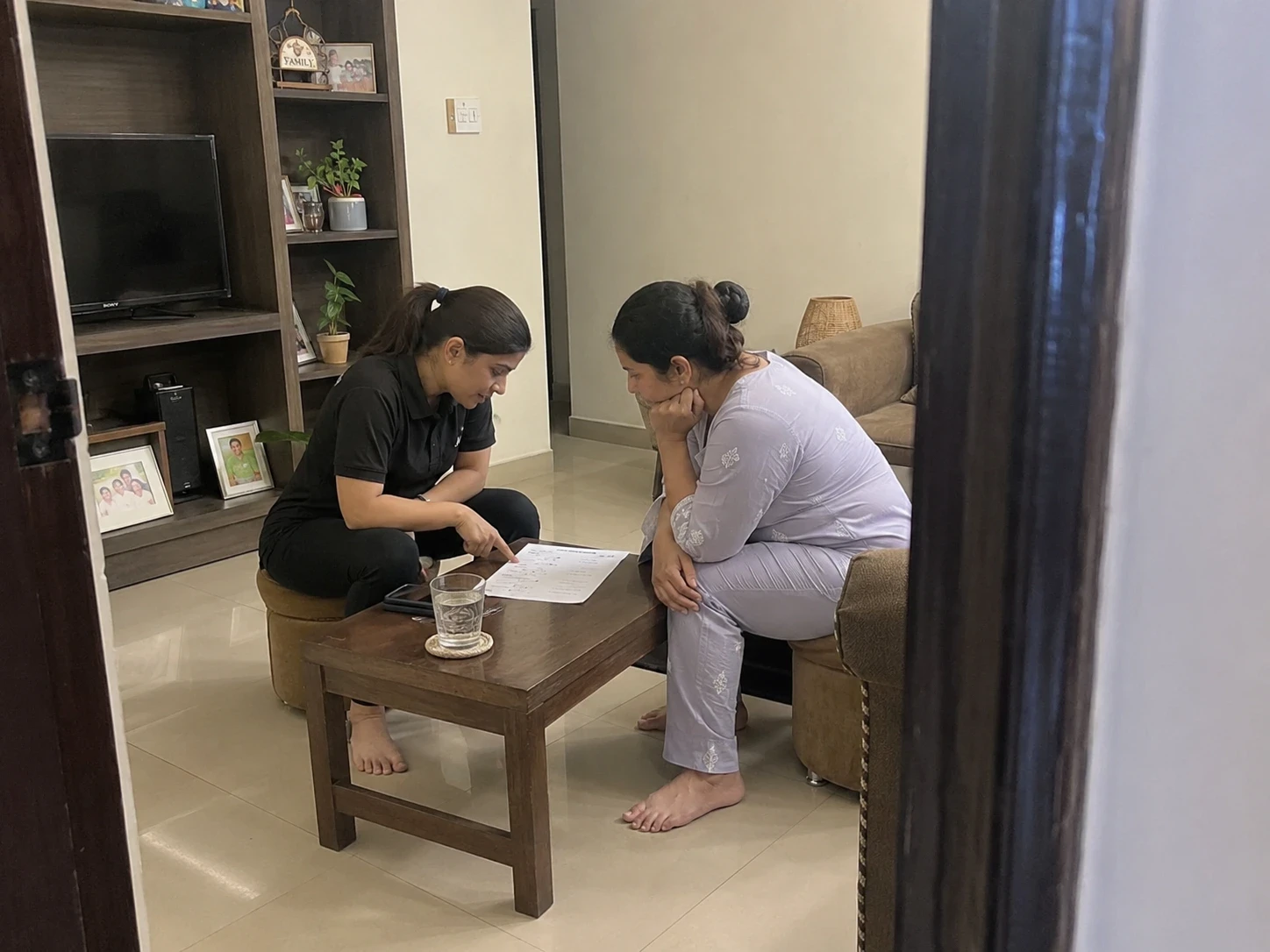
Physiotherapy is the most clinically complete option for home-based care - it covers assessment, exercise prescription, manual therapy, and red-flag screening in one visit. SehatDoor's at-home physiotherapy offers exactly this for desk workers, older adults, and anyone who finds clinic travel a barrier to consistent care.
The promise of a single session "fixing" chronic pain is almost always a sales pitch, not a clinical reality. Chronic or recurring spine pain is usually the result of months or years of load, posture, stress, and movement patterns - and it resolves through a coordinated plan that addresses those patterns, not around them.
Chasing quick fixes, cycling between single sessions of unrelated treatments, or self-diagnosing from social media advice is how people end up in the same pain two years later, having spent a lot of money and goodwill in the meantime. If your pain has been present for more than six weeks, is getting worse, or is starting to affect your work, sleep, or daily function - that's not a massage situation. That’s a coordinated clinical assessment, and the sooner it happens, the better your trajectory.

Dr. Aleena PT
A Physiotherapy Doctor (DPT) from Jinnah Sindh Medical University, focused on musculoskeletal rehabilitation, evidence-based patient care, pain management, mobility improvement, and recovery support.